

Hitze beschleunigt Weizenernte in Österreich
Editor öffnen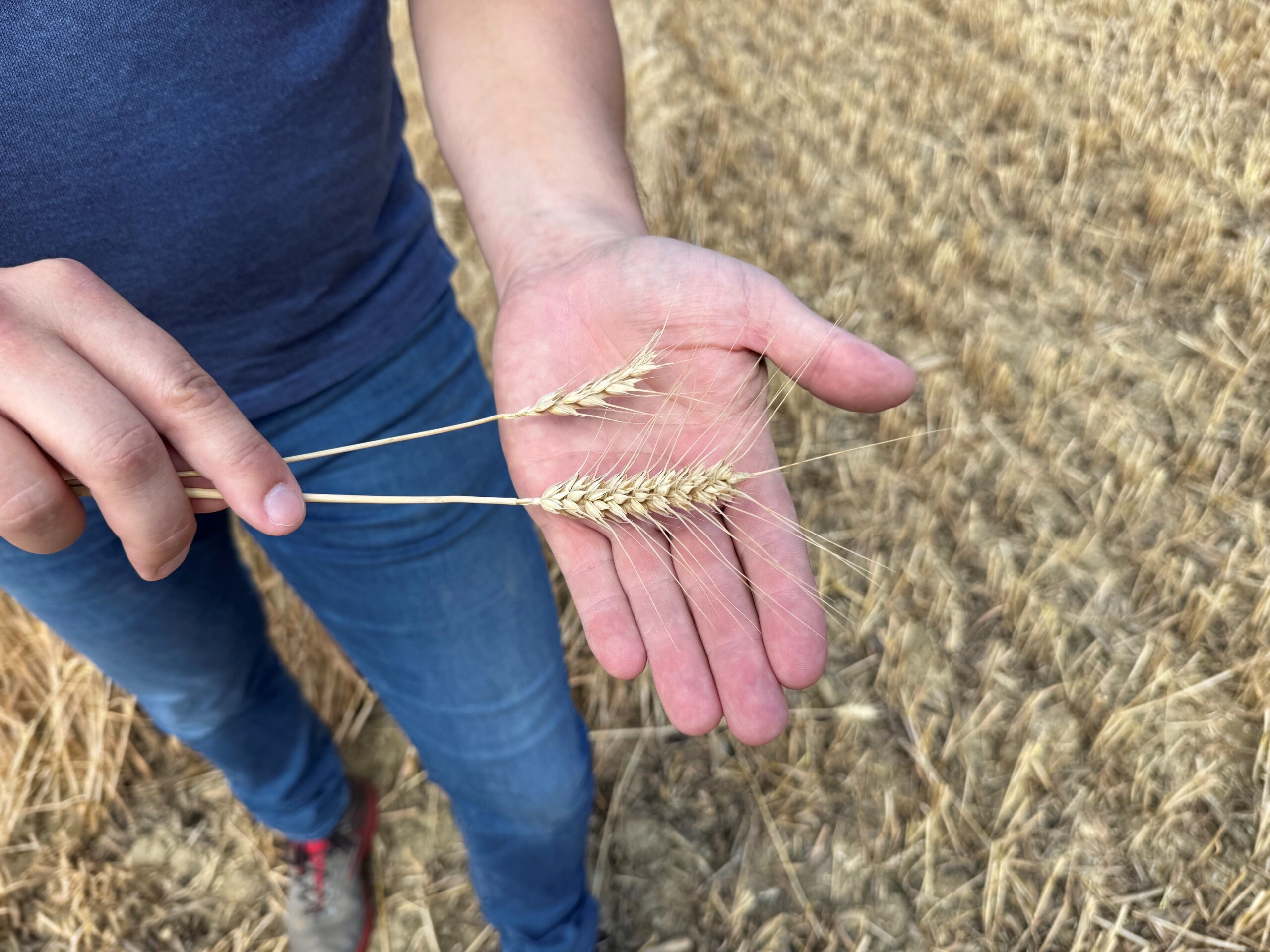
Die Weizenernte hat in Österreich heuer außergewöhnlich früh begonnen. In einigen Regionen ist sie bereits weitgehend abgeschlossen, mehr als zehn Tage früher als in einem durchschnittlichen Erntejahr. Verantwortlich dafür sind die hohen Temperaturen der vergangenen Wochen, die den Reifeprozess der Bestände deutlich beschleunigt haben. Trotz niedrigerer Erträge gibt es nach ersten Analysen Grund zur Zuversicht: Die Qualität des Weizens dürfte hoch ausfallen.
Hitze verkürzt die Kornfüllung
Die frühe Reife ist eine Folge der anhaltenden Hitze. Durch diese sogenannte Notreife wurde die Kornfüllung vorzeitig beendet. Das führt dazu, dass die Ähren vielerorts weniger Körner ausgebildet haben und die Erträge entsprechend niedriger ausfallen. Entscheidend für die Backqualität ist jedoch, dass die Körner zum Zeitpunkt der Hitze bereits weitgehend entwickelt waren. Nach ersten Untersuchungen wird die Qualität des Weizens deshalb als hoch eingeschätzt.
Lorenz Mayr, Aufsichtsratsvorsitzender der AMA-Marketing und selbst Getreidebauer, verweist auf die schwierigen Witterungsbedingungen im Frühjahr. Trockenheit und Hitze hätten die Bestände belastet. Gleichzeitig appelliert er an Konsumentinnen und Konsumenten, beim Einkauf auf das AMA-Gütesiegel zu achten und damit die heimische Landwirtschaft zu unterstützen.
Wetterextreme fordern den Ackerbau
Die zunehmenden Wetterextreme stellen die Getreideproduktion vor immer größere Herausforderungen. Um Böden widerstandsfähiger gegen Trockenheit zu machen, gewinnen Maßnahmen wie Humusaufbau, Zwischenfruchtanbau, schonende Bodenbearbeitung oder Windschutzstreifen an Bedeutung. Viele dieser Maßnahmen werden bereits von Betrieben umgesetzt, die nach den AMA-Gütesiegel-Richtlinien wirtschaften.

Gute Nachrichten für das Bäckerhandwerk
Für das Bäckerhandwerk sind die ersten Qualitätsmeldungen ein positives Signal. Auch wenn die Erntemengen regional geringer ausfallen könnten, deutet vieles darauf hin, dass österreichischer Qualitätsweizen in ausreichender Güte für die Brotherstellung verfügbar sein wird. Endgültige Aussagen lassen sich jedoch erst nach Abschluss der gesamten Getreideernte treffen.
AMA-Gütesiegel soll weiter ausgebaut werden
Nach Angaben der AMA-Marketing nehmen bereits mehr als 7.000 Ackerbaubetriebe an der AMA-Gütesiegel-Richtlinie für Ackerfrüchte teil. Sie liefern die Grundlage für Brot und Backwaren mit regional nachvollziehbarer Herkunft und kontrollierter Qualität. Das Programm soll in den kommenden Jahren weiter ausgebaut werden, um das Angebot an heimischen Getreideprodukten weiter zu stärken.