
Cappuccino beats Melange: These are the coffee trends businesses should know now.
Open editor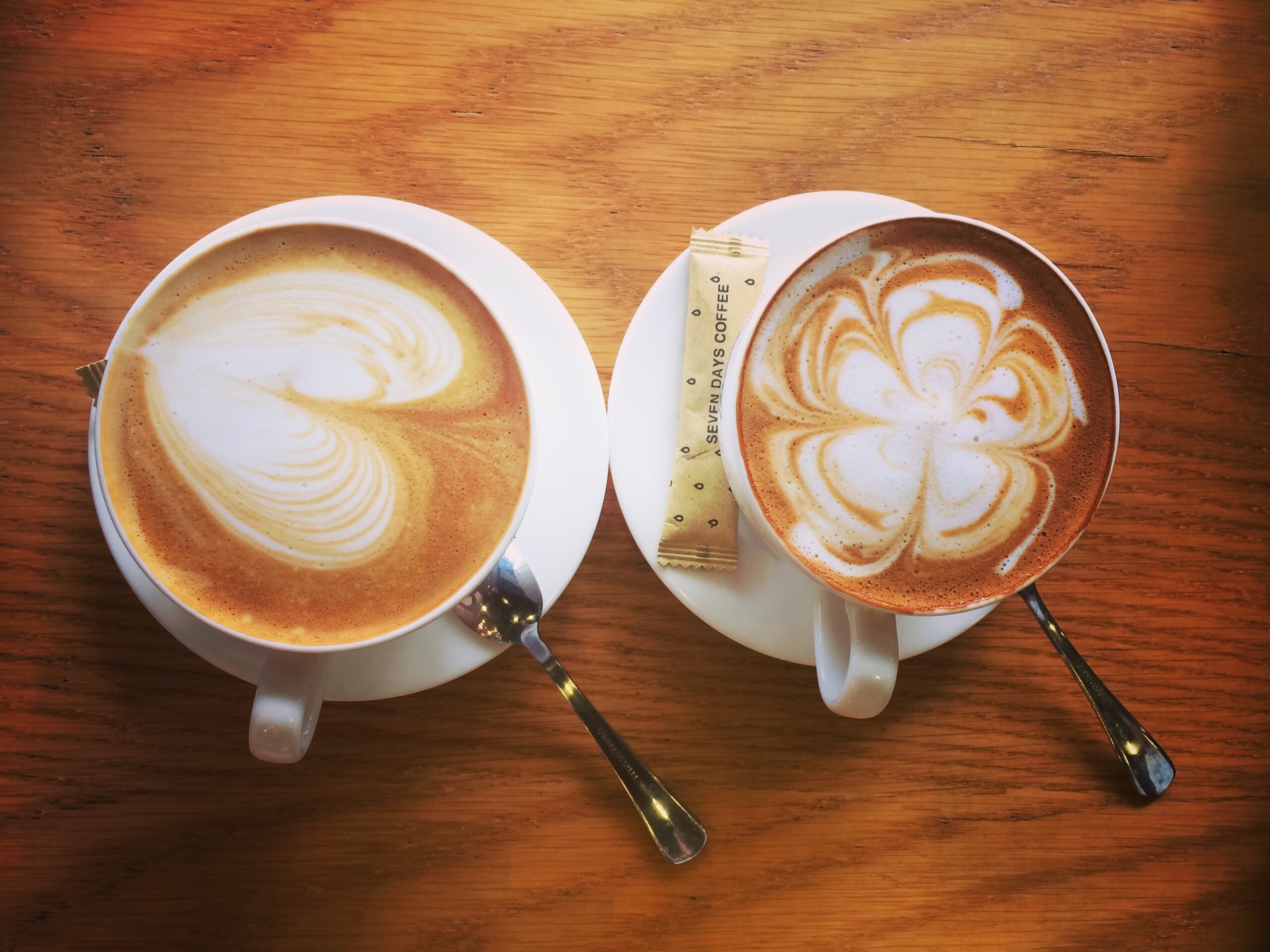
When Coffee Day is celebrated on October 1st, it's not just one of Austria's most popular beverages that takes center stage. The day also shines a spotlight on the businesses where beans, water, and skilled craftsmanship are transformed into a truly special moment of enjoyment.
Marketagent 's new coffee report reveals what customers expect from coffee today. The study, conducted in collaboration with Kanzi Kaffee, also provides insights into how bakeries, pastry shops, coffee houses, and other food service establishments can further develop their offerings.
Coffee consumption in Austria: Almost half drink it several times a day.
Coffee is firmly established in the daily routines of the Austrian population. 69.6 percent of those surveyed drink it at least once a day. 47.8 percent even reach for a cup several times a day. Only 10.9 percent abstain from coffee completely.
Among the 891 respondents who drink coffee at least occasionally, 78.7 percent describe themselves as coffee lovers. The question of whether they could do without it also shows how closely the beverage is linked to their daily routine: 62.8 percent would find it very or rather difficult to do without coffee.
Pleasure is more important than the effects of caffeine.
The most important finding for businesses concerns the motivation behind consumption. In Austria, coffee is by no means only drunk to wake up. For 62.1 percent of coffee drinkers, taste and enjoyment are paramount.
Only then do habit or the feeling that coffee is simply part of everyday life follow (40.8 percent), as well as the desire for alertness and renewed energy (39.4 percent). For 34.7 percent, social interaction also plays an important role.
The emotional significance goes even further: 87.4 percent associate the smell of coffee with positive feelings. 87.1 percent see a cup of coffee as a small break from everyday life, while 83.1 percent agree with the statement that coffee brings people together.
For the restaurant industry, this means: it's not just about selling a drink. What matters is the entire experience, including aroma, taste, atmosphere, service, and a personal break.
Most popular coffee specialty in 2026: Cappuccino ahead of Espresso
When it comes to coffee specialties, cappuccino is clearly the most popular. Exactly 50 percent of those who drink coffee at least occasionally say they order or drink it at least once in a while.
Espresso follows in second place with 36.2 percent, and black coffee (or Americano) in third with 34.8 percent. Iced coffee performs surprisingly well: at 30.5 percent, it even surpasses caffè latte (or milk coffee) at 27.6 percent and latte macchiato at 26.9 percent.
The Austrian Melange reaches 22 percent. Filter coffee comes in at 18.7 percent, and a small or large brown coffee at 18.3 percent. Cold brew remains a niche product at 4.2 percent. Since multiple responses were possible for this question, the results do not reflect an exclusive favorite choice. Rather, they show which beverages are part of the respondents' personal coffee repertoire.
Milk and plant-based alternatives belong on the coffee menu.
63.1 percent usually drink their coffee with milk or a plant-based alternative. Cow's milk remains by far the most common choice at 54.9 percent. 8.2 percent use oat, soy, almond, or other plant-based alternatives.
However, among Generation Z, the share is already at 16.2 percent. For businesses, a plant-based alternative is therefore much more than a short-term trend. Crucial factors are reliable availability, clear labeling, and a product that delivers on taste and frothing performance.
33.9 percent drink their coffee black. Men do so significantly more often (39.7 percent) than women (28.3 percent). A total of 64.8 percent abstain from sugar and other sweeteners.
Mild coffee roasts appeal to the majority of tastes.
Regarding the roast profile, 42 percent prefer a mild and balanced coffee without dominant flavor notes. 31.2 percent tend to opt for dark, strong, and chocolatey roasts with low acidity.
Light, fruity roasts with lively acidity and more complex aromas appeal to 9.3 percent. Another 17.4 percent have no clear preference.
For a broad range of gastronomic offerings, a harmonious and easily accessible house roast is recommended. A stronger espresso roast or a lighter specialty coffee can complement the range and appeal to a clearly defined target group.
When it comes to coffee, price and quality must match.
The price-performance ratio is very or rather important to 87.1 percent of coffee drinkers. The quality of the beans and their processing follows almost equally, at 86 percent.
Intensity/strength and aroma are also highly valued, at 83.4 and 81.2 percent respectively. The type and care of the roasting process are relevant for 64.7 percent. Certifications and seals of approval reach 57.2 percent, the brand 53.5 percent, and the country of origin 46.5 percent.
Origin, certification, and artisanal processing are by no means irrelevant. However, the results show that these attributes should be translated into understandable quality and taste benefits for the customer. Information about the growing region or roasting process is particularly effective when it's clear what these factors mean for the aroma and enjoyment in the cup.
Barista-quality coffee enhances the value of both coffee and businesses.
Professional coffee craftsmanship is valued by a clear majority. 83.1 percent consider it important that coffee is prepared with care and skill. 81.5 percent are convinced that artisanal preparation enhances both coffee and coffee shops. For 73 percent, a good barista makes a noticeable difference.
Overall, 69.9 percent are interested in barista skills. They primarily associate it with quality and care, craftsmanship and expertise, as well as exceptional taste. However, only 44.4 percent would like to learn professional barista techniques themselves.
For businesses, the opportunity therefore lies primarily in a visible yet easily understandable coffee experience. This includes a correctly adjusted machine, freshly ground beans, carefully frothed milk, and staff who can answer brief questions about roasting, origin, and taste.
Coffee Day 2026: Lower Austrian Chamber of Commerce supports initiatives in the gastronomy sector
The Austrian Coffee and Tea Association has celebrated Coffee Day annually on October 1st since 2002. In 2026, the focus will once again be on the diversity of the beverage, the local coffee culture, and the craftsmanship behind it.
The Gastronomy division of the Lower Austrian Chamber of Commerce invites its member businesses to participate in the Day of Action with their own ideas. The 100 most interesting activities will be subsidized with 50 percent of the documented net costs. The maximum subsidy is €100 per division member.
After the event, proof of costs, along with bank details, must be submitted to the relevant trade association. While supplies last, businesses can also request free posters and chocolate hearts to accompany their coffee. All details and registration documents are available on the Lower Austrian Chamber of Commerce's information page for Coffee Day 2026 .
The funding is aimed at members of the gastronomy division of the Lower Austrian Chamber of Commerce (WKNÖ). Bakeries and confectioneries with attached cafés should therefore clarify in advance whether their business meets the requirements.
This is how bakeries and confectioneries can use International Coffee Day.
For bakeries and pastry shops, the particular advantage lies in being able to combine coffee with suitable baked goods and pastries. Even small promotions can showcase the craft and give customers an additional reason to visit.
- Coffee and pastry tastings with selected combinations
- a special breakfast or afternoon offer for International Coffee Day
- the presentation of a house roast or a regional roasting partner
- small comparative tastings of different roasting profiles
- Latte art or barista demonstrations
- Brief information about beans, roasting and preparation
- a limited edition coffee pastry creation
It's important that the promotion is a good fit for the business. A small, well-explained tasting can appear more credible than an elaborate program with no connection to the company's own product range.
Coffee offers potential for differentiation and additional business
The results of the coffee report show that guests pay close attention to coffee. They expect a fair price-performance ratio, reliable quality, and careful preparation. At the same time, they associate the beverage with enjoyment, relaxation, and conviviality.
This makes coffee an important tool for bakeries, pastry shops, and restaurants to differentiate themselves. Those who convincingly present their bean selection, preparation, and combination with their existing product range not only create an additional reason to buy, but also reinforce the qualities that customers associate with a good cup of coffee: craftsmanship, hospitality, and a brief, special moment in their everyday lives.
Coffee Report 2026 – Habits, trends and rituals surrounding the popular hot beverageAbout the study: For the 2026 Coffee Report, Marketagent conducted a total of 1,000 online interviews with people aged 14 to 75 in Austria between February 25 and March 3, 2026. According to the institute, the sample was quota-based, weighted, and designed to be representative. Numerous detailed questions were asked exclusively to the 891 individuals who drink coffee at least occasionally. The report is an in-house study by Marketagent in cooperation with Kanzi Kaffee.
