

PPWR für Bäcker und Konditoren: Was seit 12. August gilt
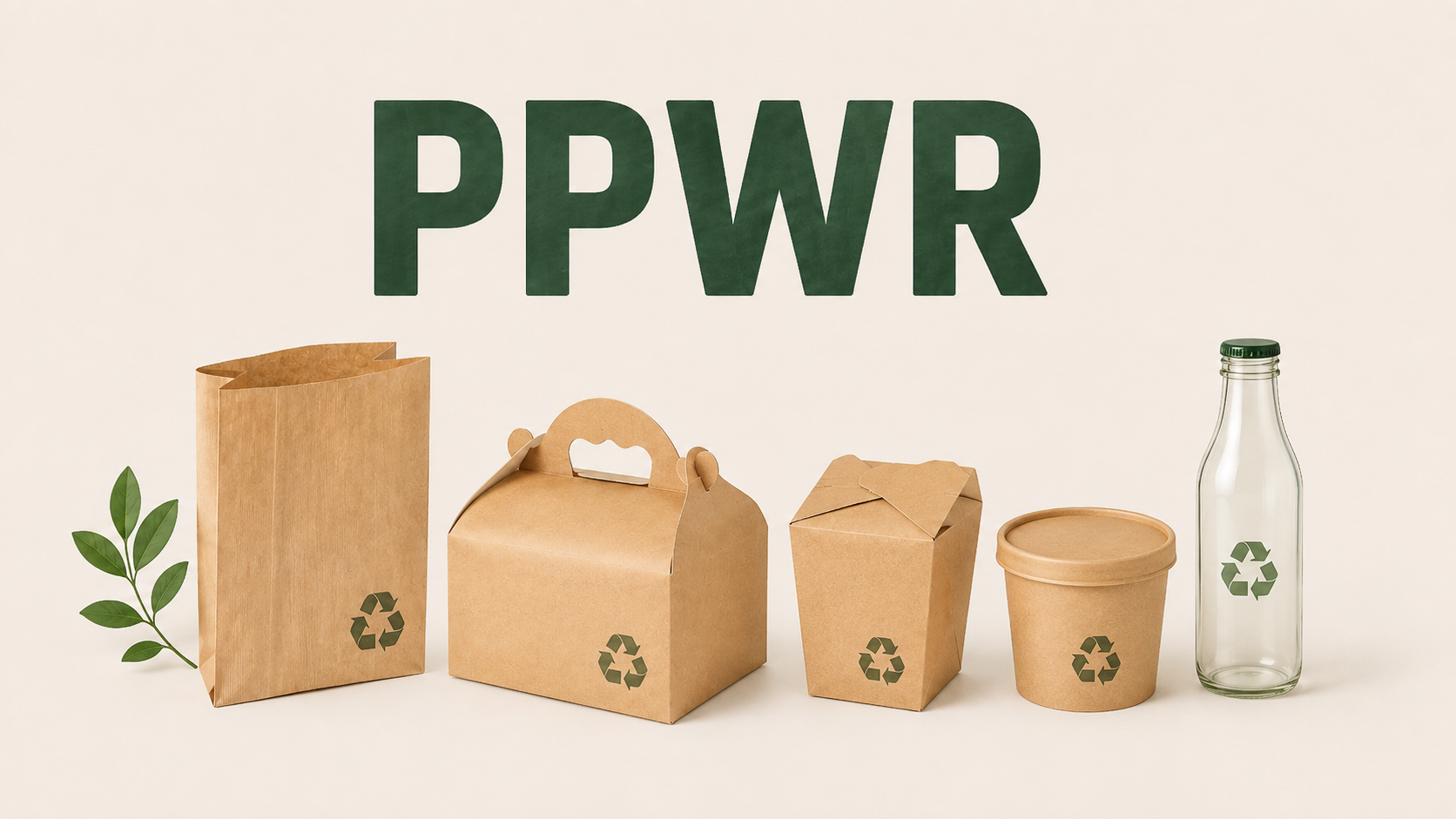
Semmelsackerl, Tortenkarton, Kaffeebecher, Gebäckbox oder Tragetasche: Verpackungen gehören zum täglichen Geschäft von Bäckereien und Konditoreien. Seit 12. August 2026 gelten nun erste verpflichtende Vorgaben der neuen EU-Verpackungsverordnung PPWR. Damit kommen neue Stoffgrenzwerte, Konformitätsnachweise und Kennzeichnungspflichten auf die Wirtschaft zu. Für Handwerksbetriebe besonders wichtig: Welche Verpflichtungen tatsächlich gelten, hängt wesentlich davon ab, welche rechtliche Rolle ein Unternehmen bei der jeweiligen Verpackung einnimmt.
Die Packaging and Packaging Waste Regulation, kurz PPWR, schafft erstmals unmittelbar geltende und weitgehend einheitliche EU-Regeln für Verpackungen und Verpackungsabfälle. Die Verordnung ist seit Februar 2025 in Kraft, seit 12. August 2026 werden nun erste zentrale Bestimmungen angewendet.
Für Bäckereien und Konditoreien bedeutet das allerdings nicht, dass von einem Tag auf den anderen sämtliche Verpackungen ausgetauscht werden müssen. Die PPWR wird schrittweise wirksam. Einige Vorgaben gelten bereits, zahlreiche weitere folgen erst in den kommenden Jahren.
Die aktuell wohl wichtigste Aufgabe besteht deshalb darin, die verwendeten Verpackungen zu erfassen und die eigene rechtliche Rolle zu klären. Die Wirtschaftskammer Österreich bezeichnet genau diese Einordnung als eine zentrale Herausforderung der neuen Regelung.
Vom Tortenkarton bis zum Coffee-to-go-Becher
Die PPWR fasst den Begriff Verpackung sehr weit. Grundsätzlich werden Verpackungen erfasst, die auf dem EU-Markt in Verkehr gebracht werden, unabhängig davon, ob sie leer oder bereits befüllt sind, aus welchem Material sie bestehen oder ob sie in der EU oder in einem Drittland hergestellt wurden.
Für Bäckereien und Konditoreien kann die Verordnung damit einen großen Teil der alltäglich eingesetzten Verpackungen betreffen: Brot- und Gebäckbeutel, Tortenkartons, Pralinenschachteln, Tragetaschen, Kaffeebecher, Take-away-Behältnisse, Folien, Versandkartons, Deckel, Verschlüsse oder Etiketten.
Die PPWR unterscheidet dabei zwischen verschiedenen Verpackungsarten. Verkaufsverpackungen bilden gemeinsam mit dem Produkt eine Verkaufseinheit. Serviceverpackungen werden direkt an der Verkaufsstelle befüllt. Transportverpackungen schützen Produkte während Lieferung und Handling.
Einen eigenen Unterfall bilden Verpackungen zum Mitnehmen. Darunter fallen Serviceverpackungen, die an einer bedienten Verkaufsstelle mit Getränken oder zubereiteten Lebensmitteln befüllt werden, die anschließend an einem anderen Ort ohne weitere Zubereitung konsumiert werden.
Damit rücken gerade Coffee-to-go, Snacks, Frühstücksangebote und andere Take-away-Produkte stärker in den Fokus der europäischen Verpackungspolitik.
Die wichtigste Frage: Welche Rolle hat der eigene Betrieb?
Eine der größten Neuerungen der PPWR liegt nicht im Material, sondern in der Verteilung der Verantwortung.
Die Verordnung unterscheidet unter anderem zwischen Erzeugern, Importeuren, Vertreibern, Lieferanten und Herstellern. Abhängig von dieser Rolle gelten unterschiedliche Pflichten.
Als Erzeuger gilt grundsätzlich, wer eine Verpackung oder ein verpacktes Produkt unter eigenem Namen oder eigener Marke selbst herstellt beziehungsweise entwickeln oder herstellen lässt.
Gerade für handwerkliche Betriebe ist diese Definition relevant. Eine Bäckerei, die standardisierte Verpackungen fertig bei einem Lieferanten einkauft und verwendet, kann rechtlich anders einzuordnen sein als ein Unternehmen, das individuell gestaltete Verpackungen unter eigenem Namen produzieren lässt.
Auch die Frage, ob eine fertige Verpackung eingekauft oder erst im Betrieb aus mehreren Komponenten zusammengesetzt wird, kann entscheidend sein.
PFAS-Grenzwerte betreffen Lebensmittelverpackungen
Seit 12. August gelten erste konkrete stoffliche Anforderungen. Dazu zählt ein Summengrenzwert von 100 Milligramm pro Kilogramm für Blei, Cadmium, Quecksilber und sechswertiges Chrom.
Für die Lebensmittelbranche besonders relevant sind außerdem die neuen Grenzwerte für per- und polyfluorierte Alkylsubstanzen, kurz PFAS, in Verpackungen mit Lebensmittelkontakt.
Die PPWR sieht dabei mehrere Grenzwerte vor. Für gezielt analysierte PFAS ohne polymere PFAS gelten 25 ppb, für deren Summe 250 ppb. Für PFAS einschließlich polymerer PFAS liegt der Grenzwert bei 50 ppm.
Gerade bei Verpackungen, die unmittelbar mit Lebensmitteln in Kontakt kommen, sollten Bäckereien und Konditoreien deshalb mit ihren Verpackungslieferanten klären, ob die eingesetzten Materialien die neuen Anforderungen erfüllen und welche technischen Nachweise verfügbar sind.
Verpackungslieferanten werden zum wichtigen Partner
Die Lieferanten von Verpackungen und Verpackungsmaterialien erhalten durch die PPWR ebenfalls klar definierte Pflichten. Sie müssen dem Erzeuger jene Informationen und Unterlagen zur Verfügung stellen, die dieser benötigt, um die Konformität einer Verpackung nachweisen zu können.
Wichtig ist die Unterscheidung: Der Lieferant muss technische Informationen bereitstellen. Das bedeutet nicht automatisch, dass er dem Kunden bereits eine fertige EU-Konformitätserklärung für dessen konkrete Verpackung schuldet.
Für Betriebe lohnt es sich deshalb, bestehende Lieferbeziehungen jetzt aktiv zu nutzen. Bei häufig verwendeten Brotbeuteln, Gebäckverpackungen, Tortenkartons, Kaffeebechern oder individuell bedruckten Verpackungen sollte geklärt werden, welche technischen Unterlagen vorhanden sind und wer innerhalb der Lieferkette für die jeweilige Konformität verantwortlich ist.
Wer Erzeuger ist, muss die Konformität dokumentieren
Erzeuger dürfen grundsätzlich nur Verpackungen in Verkehr bringen, die den jeweils geltenden Anforderungen der PPWR entsprechen.
Sie müssen dazu ein Konformitätsbewertungsverfahren durchführen und die Ergebnisse technisch dokumentieren. Das dafür vorgesehene Verfahren ist in Anhang VII der PPWR geregelt.
Ergibt die Bewertung, dass die Verpackung den geltenden Anforderungen entspricht, erstellt der Erzeuger eine EU-Konformitätserklärung. Die Struktur dieser Erklärung ist in Anhang VIII der Verordnung festgelegt.
Für kleine Handwerksbetriebe ist deshalb entscheidend, nicht vorschnell davon auszugehen, selbst für jede verwendete Verpackung eine solche Erklärung erstellen zu müssen. Zuerst muss die eigene Rolle nach der PPWR korrekt bestimmt werden.
Neue Angaben auf Verpackungen
Für Erzeuger gelten seit 12. August außerdem Identifikations- und Kennzeichnungspflichten.
Verpackungen müssen grundsätzlich eine Typen-, Chargen- oder Seriennummer oder eine andere Identifikationsmöglichkeit tragen. Ist das wegen Größe oder Art der Verpackung nicht möglich, können entsprechende Informationen den beigefügten Unterlagen zu entnehmen sein.
Darüber hinaus muss der Erzeuger seinen Namen, seine Postanschrift und gegebenenfalls elektronische Kommunikationsmöglichkeiten angeben.
Das kann mittels QR-Code oder eines anderen Datenträgers erfolgen. Ebenso möglich sind ein direkter Aufdruck oder ein Etikett. Ist auch das nicht praktikabel, können die Informationen über beigefügte Unterlagen bereitgestellt werden.
Kleine Bäckereien und Konditoreien bekommen Erleichterungen
Gerade für das österreichische Bäcker- und Konditorenhandwerk ist die Kleinstunternehmerregelung von großer Bedeutung.
Als Kleinstunternehmen gelten nach der PPWR Unternehmen mit weniger als zehn Mitarbeitern und weniger als zwei Millionen Euro Umsatz beziehungsweise Bilanzsumme.
Für solche Betriebe gibt es Erleichterungen und Ausnahmen. Vollständig von der PPWR befreit sind sie allerdings nicht. Nach Einschätzung der WKO treffen Kleinstunternehmen in vielen Konstellationen zumindest die Pflichten eines Vertreibers.
Die Wirtschaftskammer empfiehlt deshalb, dem jeweiligen Lieferanten mitzuteilen, dass es sich beim eigenen Betrieb um ein Kleinstunternehmen handelt. So kann innerhalb der Lieferkette geklärt werden, wer die Rolle des Erzeugers und die damit verbundenen Verpflichtungen übernimmt.
Eigenmarke allein macht nicht automatisch zum Erzeuger
Für viele Bäckereien und Konditoreien besonders interessant ist der Umgang mit individuell gestalteten Verpackungen.
Kauft ein Kleinstunternehmen eine bereits fertige Verpackung innerhalb der EU ein und lässt sie mit eigenem Namen oder eigener Marke versehen, greift nach derzeitiger Einschätzung der Wirtschaftskammer grundsätzlich die Kleinstunternehmerregelung.
Auch wenn eine fertige, zunächst neutrale Verpackung nachträglich im Betrieb mit einem eigenen Logo oder Etikett versehen wird, führt dieses Branding allein nach der von der WKO dargestellten Auslegung nicht automatisch dazu, dass das Kleinstunternehmen zum Erzeuger wird.
Für kleine Betriebe mit eigenen Tortenkartons, Papiersackerln, Geschenkverpackungen oder anderen Markenverpackungen ist das eine wesentliche Unterscheidung.
Mehrteilige Verpackungen können zum Problem werden
Anders kann die Situation aussehen, wenn eine fertige Verkaufsverpackung erst im eigenen Betrieb entsteht.
Die WKO nennt dazu ausdrücklich den Fall, dass einzelne Verpackungskomponenten eingekauft und anschließend beim Befüllen zusammengesetzt werden. Als Beispiele werden etwa Behälter, Deckel und Dichtungsring beziehungsweise Sackerl, Klammer, Masche und Markenetikett genannt.
Entsteht die finale Verkaufseinheit erst durch dieses Zusammensetzen oder Befüllen im Betrieb, greift die Kleinstunternehmerregelung nach der aktuellen WKO-Auslegung nicht. Das Unternehmen kann dadurch selbst zum originären Erzeuger der Verkaufsverpackung werden.
Gerade für Betriebe mit aufwendig zusammengestellten Geschenk-, Pralinen-, Saison- oder Spezialverpackungen sollte diese Frage daher genauer geprüft werden.
Auch Vertreiber können die PPWR nicht ignorieren
Bäckereien oder Konditoreien, die bei einer bestimmten Verpackung lediglich als Vertreiber gelten, sind trotzdem nicht völlig von Verantwortung befreit.
Vertreiber müssen die Anforderungen der PPWR mit gebührender Sorgfalt berücksichtigen und sich insbesondere vergewissern, dass Erzeuger beziehungsweise Importeure ihren Identifikations- und Kennzeichnungspflichten nachgekommen sind.
In der Praxis wird damit auch für kleinere Unternehmen wichtiger, nachvollziehen zu können, woher Verpackungen stammen und wer innerhalb der Lieferkette für deren Konformität verantwortlich ist.
Was passiert mit bestehenden Verpackungsvorräten?
Für Lagerbestände gibt es eine wichtige Übergangsregel.
Verpackungen, die bereits vor dem 12. August 2026 rechtmäßig in Verkehr gebracht wurden, sind von den nun neu geltenden Verpflichtungen grundsätzlich ausgenommen. Die WKO nennt dabei ausdrücklich bereits bei Vertreibern vorhandene Lagerbestände als Beispiel.
Entscheidend ist allerdings der juristische Begriff des Inverkehrbringens. Nicht jeder Karton oder Beutel, der am 11. August im Lager eines Betriebs gelegen ist, ist damit automatisch rechtlich vor dem Stichtag in Verkehr gebracht worden.
Bei größeren Beständen oder Zweifelsfällen empfiehlt sich deshalb eine genaue Prüfung der konkreten Liefer- und Vertriebssituation.
Österreich hat seine Begleitregeln noch nicht fertig
Zu den europäischen Vorgaben kommt derzeit eine zusätzliche österreichische Unsicherheit.
Die Wirtschaftskammer weist darauf hin, dass wesentliche nationale Begleitbestimmungen zur PPWR noch fehlen. Anpassungen werden insbesondere beim Abfallwirtschaftsgesetz 2002, bei der erweiterten Herstellerverantwortung, den Sammel- und Verwertungssystemen sowie bei Strafbestimmungen notwendig.
Ein konkreter Begutachtungsentwurf lag nach dem Informationsstand der WKO vom 10. August 2026 noch nicht vor.
Damit bestehen derzeit teilweise Unterschiede zwischen den bisherigen österreichischen Definitionen und der neuen Rollenverteilung nach der PPWR. Bis entsprechende nationale Bestimmungen beschlossen sind, müssen bestehende Regelungen unionsrechtskonform ausgelegt werden.
Das zuständige Bundesministerium hat dazu ein Merkblatt zur Anwendung der Verpackungsverordnung im Zusammenhang mit der PPWR veröffentlicht.
Was Betriebe jetzt konkret prüfen sollten
Für Bäckereien und Konditoreien ist derzeit eine strukturierte Bestandsaufnahme sinnvoller als ein hektischer Austausch sämtlicher Verpackungen.
Im ersten Schritt sollte erfasst werden, welche Verpackungen im Betrieb tatsächlich verwendet werden. Dazu gehören nicht nur klassische Produktverpackungen, sondern ebenso Tragetaschen, Take-away-Verpackungen, Kaffeebecher, Versandkartons, Geschenkverpackungen, Folien und Etiketten.
Im zweiten Schritt muss geklärt werden, welche Rolle der eigene Betrieb für die jeweilige Verpackung einnimmt. Besonders aufmerksam sollten Unternehmen bei individuell produzierten Eigenmarken-Verpackungen und bei Verpackungen sein, die erst im Betrieb aus mehreren Komponenten zusammengesetzt werden.
Danach lohnt sich der direkte Kontakt zum Verpackungslieferanten. Betriebe sollten klären, welche technischen Unterlagen zur Verfügung stehen und ob die seit 12. August geltenden Anforderungen, insbesondere die Stoffgrenzwerte für Lebensmittelkontaktverpackungen, erfüllt werden.
Auch vorhandene Lagerbestände sollten dokumentiert werden, um nachvollziehen zu können, welche Verpackungen bereits vor dem Stichtag in Verkehr gebracht wurden.
Der 12. August ist erst der Anfang
Die aktuell geltenden Vorgaben sind nur die erste Etappe einer wesentlich größeren Umstellung. Weitere Anforderungen der PPWR werden in den kommenden Jahren schrittweise wirksam.
Dazu gehören unter anderem weitergehende Vorgaben zur Recyclingfähigkeit, Verpackungsminimierung, Kennzeichnung und Wiederverwendung.
Für Bäckereien und Konditoreien wird Verpackung damit zunehmend zu einer strategischen Betriebsfrage. Verpackungen müssen Lebensmittel schützen, praktisch funktionieren und zum Auftritt des Unternehmens passen. Künftig muss zusätzlich nachvollziehbar sein, ob sie die europäischen Umwelt- und Stoffanforderungen erfüllen und wer für diesen Nachweis verantwortlich ist.
Gerade kleinere Handwerksbetriebe müssen deshalb nicht selbst zu Verpackungsrechtsexperten werden. Sie sollten aber wissen, welche Verpackungen sie verwenden, welche Rolle sie dabei rechtlich haben und welche Unterlagen ihre Lieferanten bereitstellen können. Denn aus dem alltäglichen Semmelsackerl, Tortenkarton oder Coffee-to-go-Becher ist mit der PPWR endgültig auch ein Compliance-Thema geworden.