

Neue Chancen für Konditorlehrlinge
Editor öffnen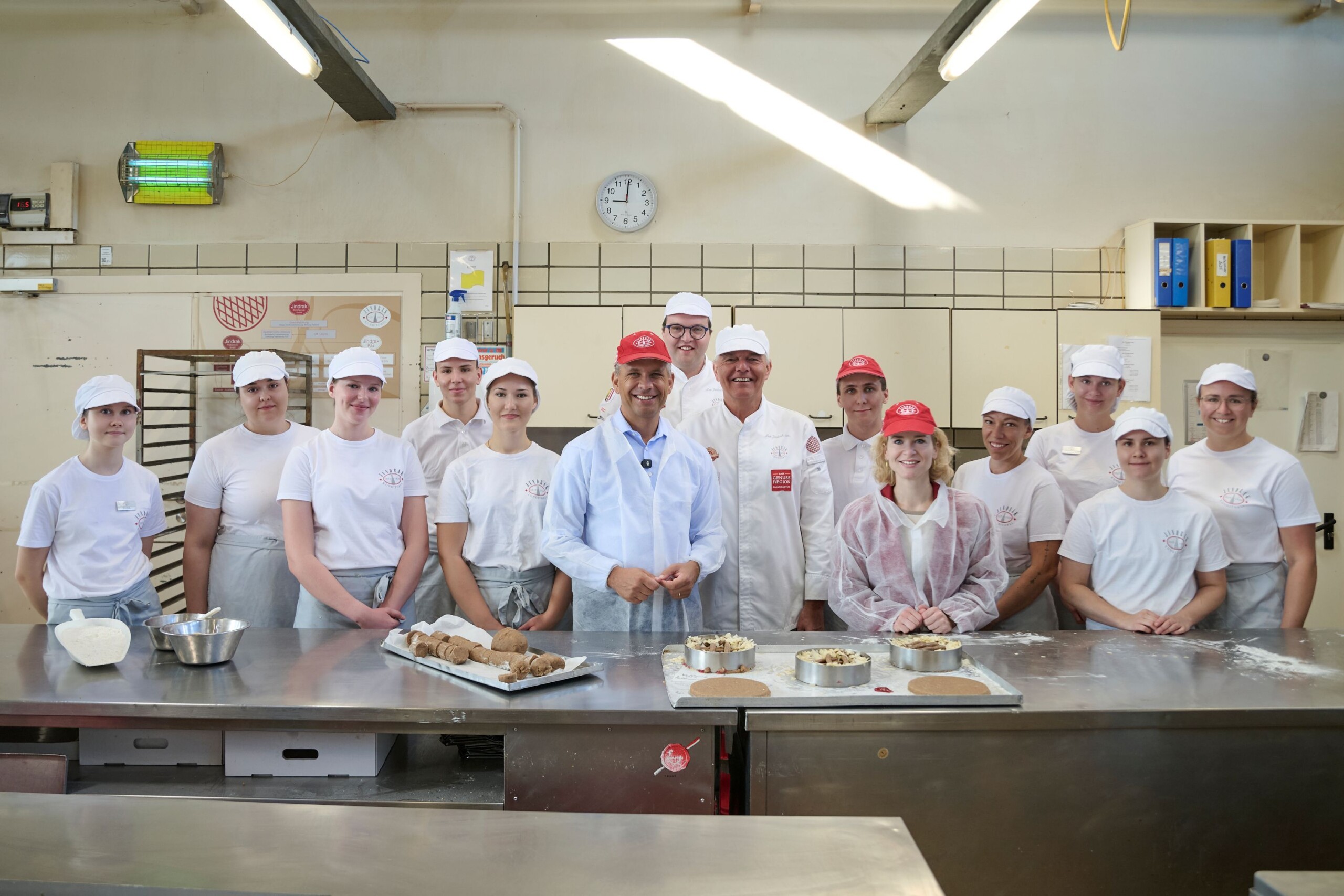
Bei der Konditorlehre stehen in Österreich wesentliche Veränderungen bevor. Ab 1. Jänner 2027 wird die Lehrabschlussprüfung stärker am betrieblichen Alltag ausgerichtet. Gleichzeitig zeigen die aktuellen Meisterzahlen eine positive Entwicklung: 2025 wurden im Konditorengewerbe 112 Meisterprüfungen erfolgreich abgeschlossen. Im Jahr davor waren es 95. Das entspricht einem Plus von rund 18 Prozent.
Wirtschaftsminister Wolfgang Hattmannsdorfer und Bundesministerin Eva-Maria Holzleitner nutzten einen Besuch bei der Linzer Traditionskonditorei Jindrak, um über die Zukunft der beruflichen Ausbildung, neue Aufstiegsmöglichkeiten und die Sicherung von Fachkräften zu sprechen.
„Die Lehre ist kein Plan B, sondern ein Karriereweg mit Zukunft“, betonte Hattmannsdorfer. Die Ausbildung müsse sich stärker daran orientieren, welche Kompetenzen Betriebe tatsächlich benötigen.
112 neue Meister im Konditorenhandwerk
Besonders auffällig ist die Entwicklung bei den Meisterprüfungen. Von den 112 im Jahr 2025 ausgestellten Meisterprüfungszeugnissen gingen 104 an Frauen.

Die Meisterprüfung ist seit 2018 auf Stufe 6 des Nationalen Qualifikationsrahmens eingeordnet und befindet sich damit auf derselben Qualifikationsstufe wie ein Bachelorabschluss. Für Absolventen eröffnet sie unter anderem den Weg in die Selbstständigkeit sowie die Möglichkeit, selbst Lehrlinge auszubilden.
Für die Branche ist diese Entwicklung auch deshalb relevant, weil Meister künftig noch stärker als Ausbilder, Betriebsnachfolger und Unternehmer gebraucht werden.
Neue Prüfung ab 2027
Mit dem Lehrberufspaket 1/2026 wurden insgesamt 14 Lehrberufe modernisiert. Dazu gehört auch Konditorei beziehungsweise Zuckerbäckerei.
Mit 1. Jänner 2027 tritt eine neue Lehrabschlussprüfung in Kraft. Im Mittelpunkt steht künftig stärker die praktische Arbeit im Betrieb. Die Kandidaten erstellen zunächst ein schriftliches Planungskonzept und setzen dieses anschließend praktisch um.
Auch die Anforderungen an die herzustellenden Produkte werden klarer definiert. Dazu zählen Aufschnitt- und Festtagstorten, Petits Fours, Pralinen, Teegebäck sowie Tellerdesserts im Schwerpunkt Patisserie.
Neu ist zudem die Präsentation der selbst hergestellten Produkte. Damit werden neben dem handwerklichen Können auch Kundenorientierung und Verkaufskompetenz stärker Teil der Prüfung.
Weniger Lehrlinge in Österreich
Die Reform kommt zu einem Zeitpunkt, an dem die Zahl der Lehrlinge zurückgeht. Ende 2025 befanden sich österreichweit 102.878 junge Menschen in einer Lehrausbildung. Das waren um 3,4 Prozent weniger als ein Jahr zuvor.
Auch das Konditorengewerbe verzeichnete einen Rückgang. Die Zahl der Lehrlinge sank von 963 im Jahr 2024 auf 917 im Jahr 2025. Damit verlor die Branche innerhalb eines Jahres 46 Lehrlinge.
Gleichzeitig verschärft die demografische Entwicklung den Wettbewerb um Nachwuchs. Die Zahl der Menschen im Erwerbsalter erreichte 2024 mit 5,57 Millionen ihren bisherigen Höchststand. Bis 2040 dürfte sie um rund 256.000 Personen zurückgehen.
„Wir stehen vor der größten Pensionierungswelle unserer Geschichte“, sagte Hattmannsdorfer. Für die Betriebe werde der Wettbewerb um gut ausgebildete Fachkräfte daher weiter zunehmen.
10 Millionen Euro für „Lehre mit Matura“
Zusätzliche Bildungswege sollen die Lehre attraktiver machen. Für das Programm „Lehre mit Matura“ werden weitere 10 Millionen Euro bereitgestellt. Insgesamt stehen im Bereich Erwachsenenbildung 51 Millionen Euro zur Verfügung.
Das Programm ermöglicht Lehrlingen eine kostenlose Vorbereitung auf die Berufsreifeprüfung. Neben der beruflichen Ausbildung können sie damit eine Qualifikation erwerben, die weitere Bildungswege eröffnet.
Bundesministerin Eva-Maria Holzleitner sieht darin einen zentralen Bestandteil eines durchlässigeren Bildungssystems. „Eine Lehre darf keine Sackgasse sein“, betonte sie bei dem Besuch in Linz.
Mit der Berufsreifeprüfung können Lehrabsolventen später unter anderem Universitäten, Fachhochschulen und andere weiterführende Bildungseinrichtungen besuchen.
Konditorbetriebe brauchen Nachwuchs
Für das Konditorenhandwerk treffen derzeit zwei Entwicklungen aufeinander: Die Zahl der Lehrlinge sinkt, gleichzeitig steigt die Zahl erfolgreicher Meisterprüfungen deutlich. Gerade die 112 Meisterabschlüsse des Jahres 2025 zeigen, welche Aufstiegsmöglichkeiten eine handwerkliche Ausbildung bieten kann.
Mit der praxisnäheren Lehrabschlussprüfung ab 2027 und zusätzlichen Investitionen in „Lehre mit Matura“ soll die berufliche Ausbildung nun weiter aufgewertet werden. Für die Betriebe bleibt jedoch die entscheidende Aufgabe, genügend junge Menschen für das Konditorenhandwerk zu gewinnen und ihnen langfristige Perspektiven vom Lehrabschluss bis zur Meisterprüfung und Betriebsübernahme zu eröffnen.
