

Gleiche Spielregeln für alle: Nationalrat und Ministerium ziehen bei Importkontrollen an einem Strang
Editor öffnen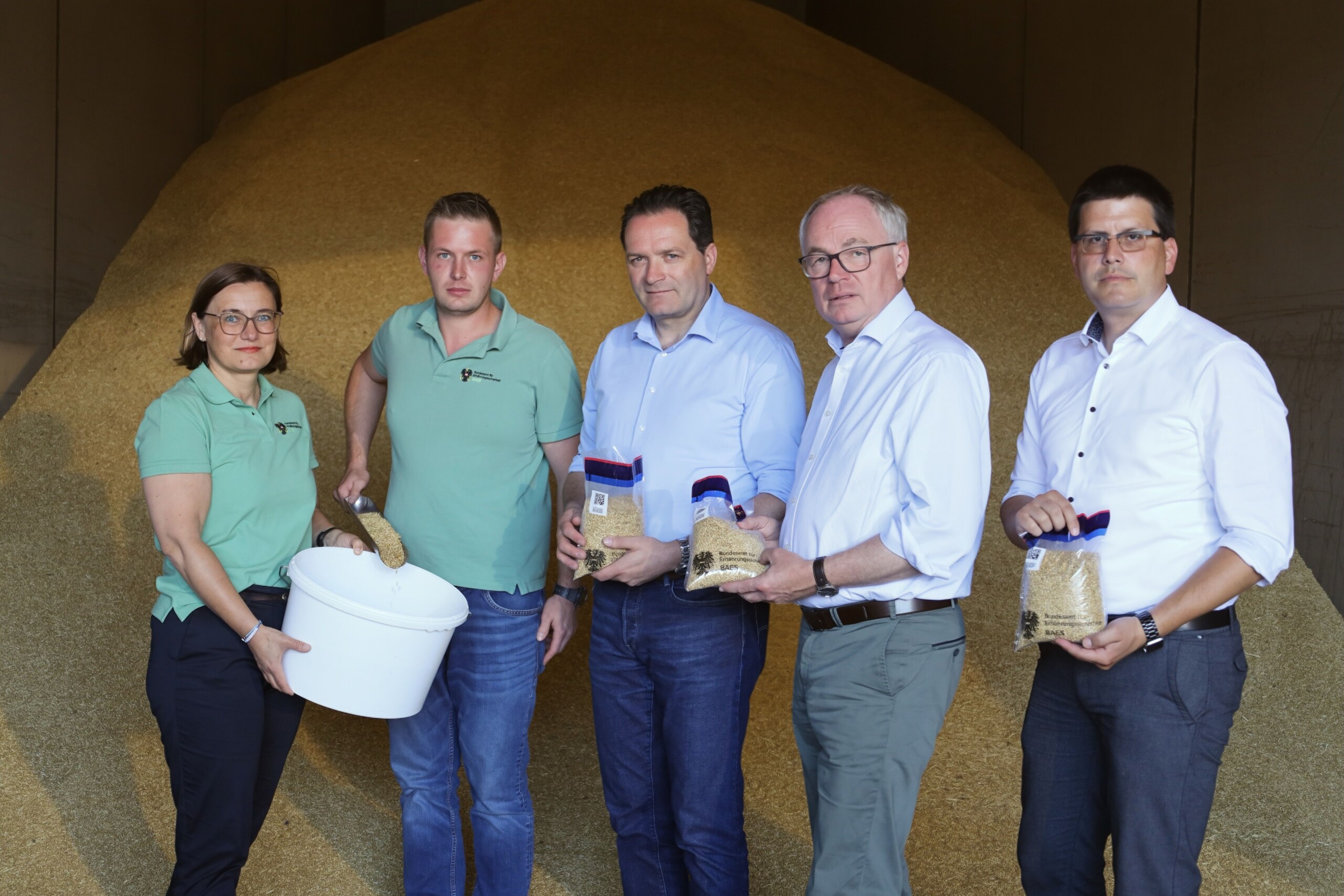
Faire Wettbewerbsbedingungen entlang der gesamten Lebensmittelkette: Das ist das erklärte Ziel einer aktuellen Initiative von Landwirtschaftsminister Norbert Totschnig, Niederösterreichs Landeshauptmann-Stellvertreter Stephan Pernkopf und Landwirtschaftskammer NÖ-Vizepräsident Lorenz Mayr. Der Nationalrat hat dem Vorhaben mit breiter Mehrheit Rückhalt gegeben – auch für Betriebe im Bäcker- und Konditorhandwerk ein Thema, da Rohstoffe wie Getreide oder Milchprodukte ebenfalls importiert werden und denselben Wettbewerbsbedingungen unterliegen sollten wie heimisch erzeugte Ware.
Was hinter den angekündigten Kontrollen steckt
Der Ausgangspunkt: Heimische Betriebe müssen strenge gesetzliche Vorgaben erfüllen – etwa im Pflanzenschutz, beim Umwelt- und Gewässerschutz oder bei der Lebensmittelsicherheit. Gleichzeitig gelangen laut Landwirtschaftsministerium immer wieder Produkte auf den europäischen Markt, die unter Bedingungen hergestellt wurden, die in Österreich und der EU gar nicht erlaubt wären. Genau hier setzt Totschnig an: Ab sofort lässt er Futtermittelimporte aus Drittstaaten verstärkt kontrollieren, zuständig ist das Bundesamt für Ernährungssicherheit (BAES).
„Unsere Bäuerinnen und Bauern produzieren Lebensmittel unter höchsten Umwelt- und Qualitätsstandards. Wir bekennen uns klar zu nachhaltiger Landwirtschaft, und diese Qualität hat ihren Preis. Fairer Wettbewerb kann nur dort stattfinden, wo vergleichbare Spielregeln gelten“, so Totschnig. In modernen Handelsabkommen sollten neue Einfuhrkontingente daher künftig an nachhaltige Produktionsbedingungen gebunden sein, die den hohen EU-Standards entsprechen.
Konkret nimmt das BAES in den kommenden Monaten Einzel- und Mischfuttermittel unter die Lupe: geprüft werden die Rückverfolgbarkeit der Herkunft, Pflanzenschutzmittel-Wirkstoffe sowie unerwünschte und verbotene Stoffe. Ergänzt wird das behördliche Kontrollprogramm durch Eigenkontrollen der Futtermittelunternehmen sowie durch das europäische Schnellwarnsystem für Lebens- und Futtermittel (RASFF).

„Es glaubt doch niemand, dass in Asien so streng kontrolliert wird wie in Aderklaa“
Deutlich wird auch LH-Stellvertreter Stephan Pernkopf: „Gleiches Recht für alle muss auch gleiche Produktionsstandards für alle heißen. Deswegen braucht es strenge Import-Kontrollen. Statt mehr Bürokratie für heimische Produzenten braucht es mehr Schutz vor ausländischen Produkten, die nicht unseren Standards entsprechen. Denn es glaubt doch niemand, dass zum Beispiel in Asien so streng kontrolliert wird wie in Aderklaa.“
Lorenz Mayr, Vizepräsident der Landwirtschaftskammer Niederösterreich, geht noch einen Schritt weiter und fordert ein grundsätzliches Umdenken – weg vom reinen Produktstandard, hin zum Produktionsstandard: „Das Endprodukt allein sagt nichts darüber aus, unter welchen Bedingungen Lebensmittel erzeugt wurden. Entscheidend ist, wie sie hergestellt werden und nach welchen Standards sie erzeugt werden.“ Nur so ließen sich gleiche Wettbewerbsbedingungen für heimische und importierte Ware herstellen. Mayr wird deutlich: „Es kann nicht sein, dass Lebensmittel importiert werden, die unter Bedingungen erzeugt wurden, die in Österreich aus gutem Grund unzulässig sind. Es darf keinen Wettbewerb mit zweierlei Maß geben. Wer höchste Standards von unseren Bäuerinnen und Bauern verlangt, muss dafür sorgen, dass diese auch für Importware gelten. Faire Wettbewerbsbedingungen setzen gleiche Regeln für alle voraus. Was in Österreich aus guten Gründen verboten ist, darf nicht über Importe wieder auf unseren Tellern landen.“
Parlament stimmt zu – Grüne dagegen, FPÖ mit eigenen Anträgen gescheitert
Auch auf parlamentarischer Ebene gibt es Rückenwind: Laut Parlamentskorrespondenz vom 6. Juli 2026 hat der Nationalrat mit den Stimmen von ÖVP, SPÖ, NEOS und FPÖ einen Entschließungsantrag der Regierungsparteien angenommen, der faire Wettbewerbsbedingungen beim Import und Export von Lebensmitteln sicherstellen soll. Im Zentrum stehen dabei das Mercosur-Abkommen zwischen der EU und den lateinamerikanischen Staaten sowie Agrarimporte aus der Ukraine. Gefordert werden unter anderem die konsequente Einhaltung vereinbarter Schutzklauseln, EU-weite Kontrollen sowie strengere Vorgaben bei Rückstandshöchstgehalten für in der EU nicht zugelassene Pflanzenschutzmittelwirkstoffe.
Die Grünen stimmten gegen den Antrag – aus ihrer Sicht sei es ohnehin Aufgabe der Bundesregierung, für wirksame Kontrollen zu sorgen, eine eigene Entschließung daher überflüssig.
Keine Mehrheit fanden zwei weitergehende Anträge der FPÖ: Die Freiheitlichen hatten einen sofortigen Importstopp für sämtliche Agrarerzeugnisse sowie Lebens- und Futtermittel gefordert, die nicht den österreichischen Gesundheits-, Umwelt- oder Tierschutzstandards entsprechen.
Fraktionen positionieren sich unterschiedlich
Aus Sicht der FPÖ geht die Regierungsinitiative zu wenig weit. Abgeordneter Albert Royer sprach von einem „Wischiwaschi“-Antrag, der die Bäuerinnen und Bauern nicht weiterbringe. Alois Kainz betonte, Kontrollen allein würden das Problem nicht lösen – entscheidend sei „Gleichbehandlung“: Was heimischen Betrieben verboten sei, dürfe auch bei Importware nicht durchgehen. Gemeinsam mit Michael Fürtbauer forderte er nach französischem Vorbild einen generellen Importstopp für nicht standardkonforme Agrarerzeugnisse. Manuel Pfeifer ergänzte, es brauche wirksamen Schutz sowohl für die Landwirtschaft als auch für Konsumentinnen und Konsumenten.
Die ÖVP verteidigte ihren Antrag als tragfähigen Kompromiss. Johannes Schmuckenschlager erklärte, seine Fraktion stehe klar zu freiem Handel – dieser müsse aber fair sein. Man habe „bis zur letzten Minute“ Schutzklauseln in den Mercosur-Vertrag hineinverhandelt. Manfred Hofinger verwies darauf, dass sich die bisherigen Importkontrollen bereits bewährt hätten, und forderte deren konsequente Umsetzung. Georg Strasser betonte, es komme nun darauf an, die ausverhandelten Sicherheitsmechanismen „mit Leben zu erfüllen“.
Für strenge Kontrollen sprach sich auch die SPÖ aus, insbesondere beim Einsatz von Pestiziden. Elisabeth Feichtinger unterstrich die Notwendigkeit „fairer Spielregeln“: Es dürfe nicht sein, dass Produkte auf den heimischen Markt kommen, die unter Bedingungen hergestellt wurden, die man in Österreich längst nicht mehr akzeptiere. Petra Tanzler hielt die FPÖ-Anträge für nicht EU-rechtskonform und betonte, nur gemeinsame Regelungen könnten die heimische Landwirtschaft wirksam schützen.
Karin Doppelbauer (NEOS) verwies auf frühere Debatten rund um Freihandelsabkommen, etwa 2017 beim Abkommen mit Kanada (CETA), das sich mittlerweile als Win-win-Situation erwiesen habe – auch für die Landwirtschaft. Freihandel schaffe Chancen, führe zu Qualitätsverbesserungen und treibe Innovationen voran, so Doppelbauer.
David Stögmüller (Grüne) übte hingegen deutliche Kritik: Der Regierungsantrag sei „schwammig“ formuliert, Landwirtschaftsminister Totschnig warf er „Arbeitsverweigerung“ vor. Bei den FPÖ-Anträgen stellte er die Frage, ob es dabei tatsächlich um Lebensmittelsicherheit gehe oder vor allem darum, die Ukraine zum Sündenbock zu machen. Diese sei im Rahmen ihres EU-Beitrittsprozesses ohnehin verpflichtet, ihre Standards schrittweise anzugleichen – diesen Weg gelte es zu unterstützen statt zu verhindern.
Bauernbund sieht Schutz für Familienbetriebe und Konsumenten
Zustimmung kommt vom Österreichischen Bauernbund. Präsident Georg Strasser, zugleich ÖVP-Abgeordneter, wertet die verstärkten Futtermittelkontrollen als wichtigen Schritt für bäuerliche Familienbetriebe und Konsumentinnen und Konsumenten gleichermaßen: „Die Entscheidung von Landwirtschaftsminister Norbert Totschnig ist richtig und konsequent. Ich danke ihm für diese wichtige Initiative. Unsere Bäuerinnen und Bauern produzieren nach höchsten Standards. Wer Zugang zu unserem Markt will, muss sich an dieselben Regeln halten. Produkte, die unter Bedingungen erzeugt wurden, die bei uns verboten sind, dürfen nicht zum Wettbewerbsnachteil für die heimische Landwirtschaft werden.“
Strasser verweist zudem auf den breiten parlamentarischen Rückhalt: „Die Menschen müssen sich darauf verlassen können, dass importierte Produkte sicher sind und den europäischen Vorgaben entsprechen. Was in Österreich und der EU verboten ist, darf nicht über Importe wieder in unsere Lebens- und Futtermittelkette gelangen. Konsequente Kontrollen schützen unsere Bauernfamilien, unsere Lebensmittelproduktion und das Vertrauen der Konsumenten.“
Wie geht es weiter?
Ob die angekündigten Kontrollen ausreichen, um tatsächlich für gleiche Wettbewerbsbedingungen zu sorgen, wird sich erst in den kommenden Monaten zeigen. Totschnig, Pernkopf und Strasser appellieren an die Europäische Kommission, bestehende Schutzmechanismen konsequent umzusetzen und weiterzuentwickeln. Verstärkte Importkontrollen, wirksame Rückstandsprüfungen und klare Vorgaben für Agrarimporte gelten als zentrale Voraussetzungen, um Versorgungssicherheit, Konsumentenschutz und die Wettbewerbsfähigkeit der heimischen Land- und Lebensmittelwirtschaft langfristig zu sichern – ein Thema, das über die Fleischbranche hinaus auch das Bäcker- und Konditorhandwerk direkt betrifft.
Strasser bringt es abschließend auf den Punkt: „Mit den angekündigten Kontrollen wird ein klares Signal gesetzt. Dieser Weg muss nun konsequent weitergegangen werden. Es braucht wirksame Kontrollen entlang der gesamten Importkette und klare Vorgaben für alle Produkte, die auf den europäischen Markt gelangen. Gleiche Standards für alle sind die Grundlage für fairen Wettbewerb und eine starke heimische Landwirtschaft.“
