

Weniger Zucker ohne Steuer?
Editor öffnen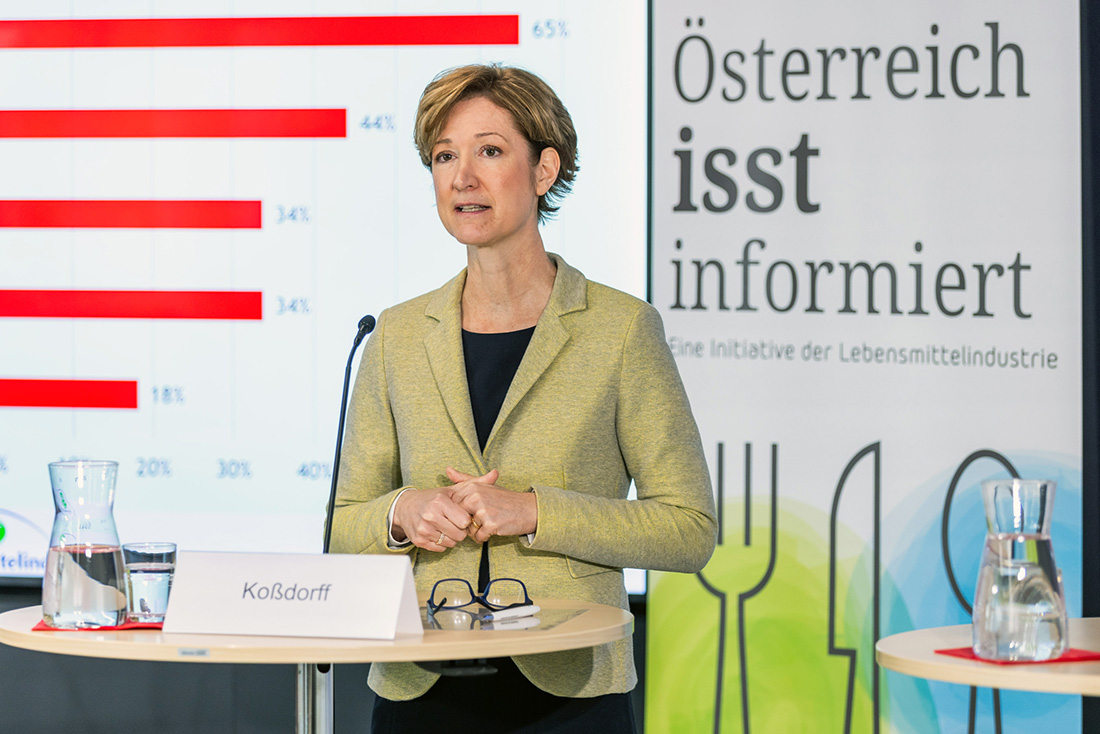
Die Diskussion über eine Zuckersteuer gewinnt auch in Österreich wieder an Fahrt. Während Befürworter damit den Zuckerkonsum senken und langfristig Übergewicht sowie ernährungsbedingte Erkrankungen reduzieren wollen, warnt die heimische Lebensmittelindustrie vor zusätzlichen Kosten für Konsumenten und Produzenten.
„Gerade jetzt über neue Abgaben auf Lebensmittel nachzudenken, ist das völlig falsche Signal“, sagt Katharina Koßdorff, Geschäftsführerin des Fachverbands der Lebensmittelindustrie. Aus Sicht des Fachverbands würden zusätzliche Abgaben Lebensmittel verteuern, die Kaufkraft schwächen und den österreichischen Produktionsstandort zusätzlich belasten.
Die entscheidende Frage ist allerdings nicht nur, ob eine Steuer den Zuckergehalt einzelner Produkte reduziert. Internationale Erfahrungen zeigen, dass Hersteller auf entsprechende Abgaben sehr wohl reagieren. Schwieriger ist die Frage, wie groß der gesundheitliche Effekt am Ende tatsächlich ausfällt.
Großbritannien verändert die Rezepturen
Besonders häufig wird Großbritannien als Beispiel genannt. Dort gilt seit 2018 die „Soft Drinks Industry Levy“. Die Abgabe hat deutliche Veränderungen im Getränkesortiment ausgelöst.
Zwischen 2015 und 2024 sank der durchschnittliche Zuckergehalt der von der Abgabe betroffenen Softdrinks laut britischer Regierung um 47 Prozent. Mittlerweile liegen 89 Prozent der verkauften Softdrinks unter jener Schwelle, ab der die Abgabe fällig wird.
Das bedeutet allerdings nicht automatisch, dass Getränke generell weniger süß geworden sind. Die britische Regelung besteuert Zucker, nicht jedoch Süßstoffe wie Aspartam, Sucralose oder Stevia. Produzenten können daher Zucker reduzieren und ihn zumindest teilweise durch kalorienarme oder kalorienfreie Süßungsmittel ersetzen.
Die Steuer hat damit Reformulierungen beschleunigt, eine grundsätzliche Abkehr von stark gesüßten Produkten lässt sich daraus jedoch nicht ableiten.
Gesundheitlicher Effekt bleibt begrenzt
Auch die gesundheitlichen Auswirkungen fallen weniger eindeutig aus, als es die deutliche Zuckerreduktion in den Produkten vermuten lässt.
Untersuchungen zur britischen Abgabe ergaben bei Kindern eine Verringerung der täglichen Zuckeraufnahme um rund drei Gramm, bei Erwachsenen um etwa fünf Gramm. Umgerechnet entspricht das ungefähr zwölf beziehungsweise 21 Kilokalorien pro Tag und damit nur rund einem Prozent des täglichen Energiebedarfs.
Bei zehn- bis elfjährigen Mädchen wurde gegenüber dem erwarteten Trend zwar ein Rückgang der Adipositas-Prävalenz beobachtet, insbesondere in sozial benachteiligten Regionen. Bei Buben und anderen untersuchten Altersgruppen ließ sich ein vergleichbarer Effekt jedoch nicht feststellen.
Ein allgemeiner Nachweis, dass eine Zuckersteuer das Problem von Übergewicht bei Kindern lösen kann, ergibt sich daraus nicht.
Internationale Erfahrungen bleiben gemischt
Ähnliche Ergebnisse gibt es aus anderen Ländern. Steuern können den Absatz der betroffenen Produkte reduzieren, daraus folgt jedoch nicht zwangsläufig eine entsprechende Verringerung von Übergewicht und Adipositas.
Der Fachverband der Lebensmittelindustrie verweist unter anderem auf Mexiko. Dort habe die Zuckersteuer rechnerisch lediglich zu einer Verringerung der täglichen Energieaufnahme um rund sechs Kilokalorien geführt.
Auch in Mexiko, Chile, Frankreich und Großbritannien seien die Übergewichts- und Adipositasraten trotz entsprechender Abgaben nicht generell gesunken.
Die Weltgesundheitsorganisation WHO empfiehlt Abgaben auf zuckergesüßte Getränke dennoch grundsätzlich. Sie betrachtet sie allerdings als Teil eines umfassenderen gesundheitspolitischen Maßnahmenpakets. Ziel ist einerseits ein geringerer Konsum, andererseits sollen Hersteller ihre Rezepturen verändern.
Österreich konsumiert weniger Zucker
Die österreichische Lebensmittelindustrie hält einer möglichen Steuer vor allem die Entwicklung des heimischen Zuckerkonsums entgegen.
Nach Angaben des Fachverbands ist der Pro-Kopf-Konsum seit Mitte der 1990er-Jahre um rund 30 Prozent zurückgegangen. Im Wirtschaftsjahr 2024/25 lag er bei 26,8 Kilogramm pro Person. Der EU-Durchschnitt betrug demnach 33,2 Kilogramm.
Auch die österreichische Getränkeindustrie habe ihre Produkte bereits deutlich verändert. Der durchschnittliche Zuckergehalt ihres Portfolios sei innerhalb der vergangenen 20 Jahre um rund ein Drittel reduziert worden.
Für Lebensmittelproduzenten und damit auch für zahlreiche Zulieferer des Bäcker- und Konditorenhandwerks ist diese Entwicklung relevant: Zuckerreduktion ist längst nicht mehr ausschließlich eine gesundheitspolitische Forderung, sondern zunehmend Teil von Produktentwicklung und Konsumentenerwartungen.
Spar setzt auf freiwillige Reduktion
Wie weit freiwillige Maßnahmen gehen können, zeigt Spar. Der österreichische Lebensmittelhändler startete bereits 2017 eine eigene Zuckerreduktionsoffensive und überarbeitet seitdem schrittweise die Rezepturen seiner Eigenmarken.
Bis Ende 2025 wurden nach Unternehmensangaben bei mehr als 380 Spar-Markenprodukten insgesamt rund 5.300 Tonnen Zucker eingespart.
Bemerkenswert ist dabei die Produktstrategie. „Wir fokussieren uns bei den Rezepturen für unsere Spar-Markenprodukte auf den echten, unverfälschten Geschmack, ohne dabei auf Zuckeraustauschstoffe oder künstliche Süßungsmittel zu setzen“, erklärt Markus Kaser, stellvertretender Vorstandsvorsitzender von Spar.
Auch auf Konsumentenseite bleibt das Thema präsent. In einer Marketagent-Befragung im Auftrag von Spar erklärten Anfang 2026 insgesamt 48 Prozent der Österreicher, ihren Zuckerkonsum reduzieren zu wollen.
Rezepturen werden zum Schlüssel
Die Debatte um die Zuckersteuer wird damit nicht allein über Steuersätze entschieden werden. Die Erfahrungen aus Großbritannien zeigen deutlich, dass finanzielle Anreize Rezepturen und Sortimente verändern können. Wesentlich schwieriger ist der Nachweis, dass daraus automatisch ein entsprechend großer gesundheitlicher Nutzen entsteht.
Für Österreich kommt eine weitere Entwicklung hinzu: Der Zuckerkonsum ist bereits deutlich gesunken, gleichzeitig arbeiten Hersteller und Handel an neuen Rezepturen. Für Bäckereien und Konditoreien dürfte deshalb weniger die politische Grundsatzdebatte entscheidend sein als die Frage, wie sich die Nachfrage ihrer Kunden verändert.
Weniger Zucker, guter Geschmack und nachvollziehbare Zutatenlisten miteinander zu verbinden, wird damit zunehmend auch zu einer handwerklichen und produktstrategischen Aufgabe.