

Das Geheimnis der Kuchengabel
Editor öffnen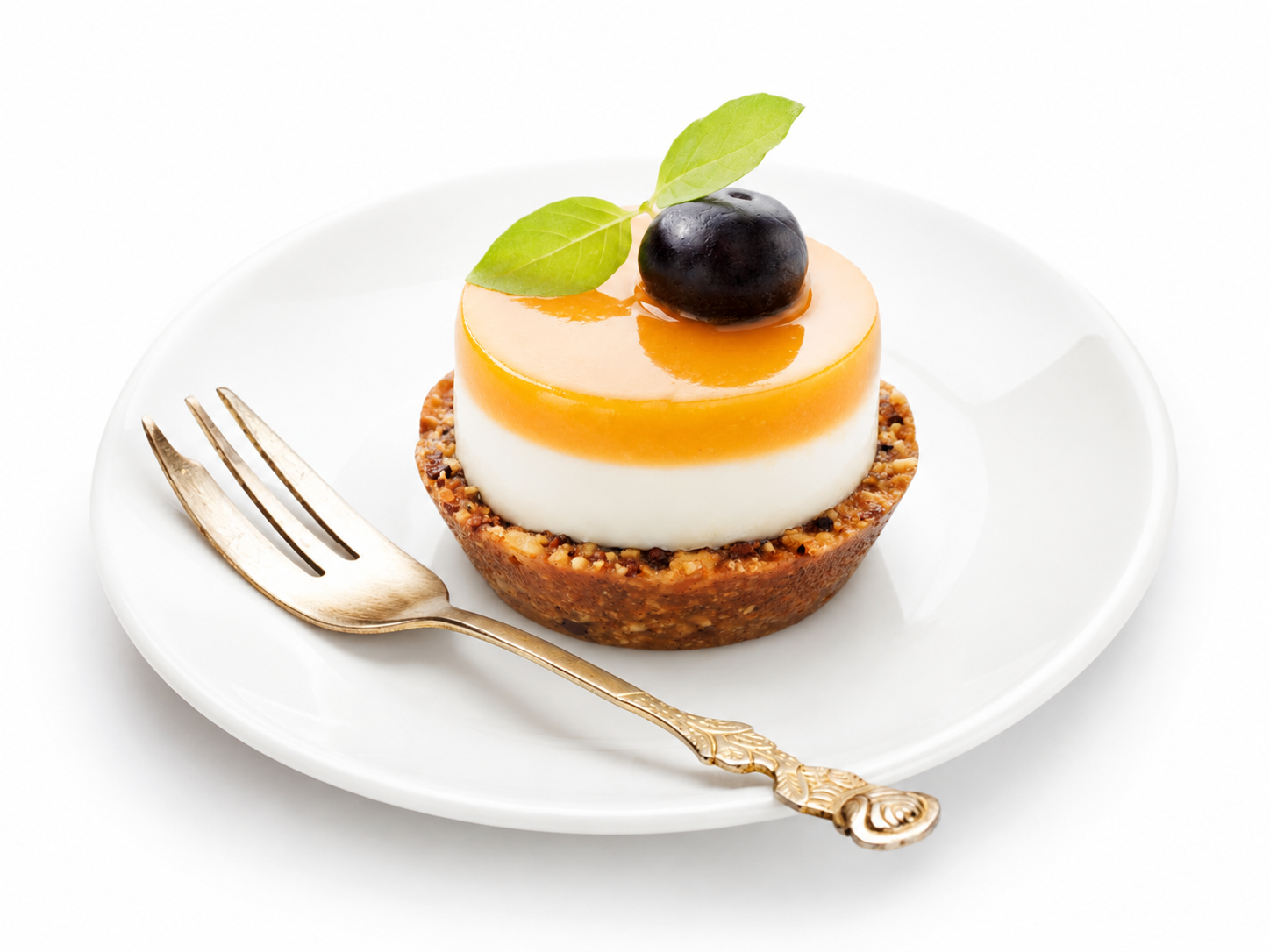
Drei Zinken, eine davon auffallend breit und an der Seite leicht angeschrägt: Wer eine klassische Kuchengabel genauer betrachtet, könnte die Form zunächst für eine gestalterische Eigenheit halten. Tatsächlich steckt dahinter eine erstaunlich praktische Konstruktion. Die kleine Gabel sollte beim Kuchenessen eine zweite Hand und vor allem ein zusätzliches Messer überflüssig machen.
Für Konditorinnen und Konditoren ist dieses Detail keineswegs nebensächlich. Eine feine Torte endet schließlich nicht mit Glasur, Dekor und sauberem Anschnitt. Auch wie angenehm sie sich am Tisch essen lässt, gehört zum Gesamterlebnis. Genau hier kommt die Kuchengabel ins Spiel.
Eine Gabel für Torte und Gebäck
Die breitere Außenzinke übernimmt eine Aufgabe, die bei anderem Besteck dem Messer zufällt. Mit ihrer kräftigeren und häufig leicht abgeschrägten Kante lassen sich Kuchenböden, Tortenstücke und Gebäck teilen. Die übrigen Zinken nehmen den Bissen anschließend auf.
Damit vereint die Kuchengabel zwei Funktionen in einem einzigen Besteckteil. Gerade bei mürben Böden, Cremetorten, Schnitten oder kompaktem Gebäck ist das praktisch: Das Stück lässt sich portionieren, ohne dass zusätzlich ein Messer auf dem kleinen Kuchenteller Platz finden muss.

In der Konditorei ist das durchaus relevant. Je feiner und vielschichtiger ein Produkt aufgebaut ist, desto stärker fällt auf, ob Besteck und Konsistenz zusammenpassen. Ein mürber Boden soll brechen, aber nicht zerbröseln, eine Cremeschicht soll sich sauber teilen lassen und ein Stück Torte möglichst formschön auf der Gabel bleiben.
Warum meist drei Zinken genügen
Im Ausgangstext wird die Dreizinkigkeit vor allem mit Stabilität und der geringen Größe der Gabel erklärt. Bei einem kleinen Besteckteil bleibt für vier kräftige Zinken schlicht weniger Platz. Die charakteristische Dreizinkenform schafft dagegen Raum für eine breitere Schneidezinke.
Bis heute gehört sie zum klassischen Bild der Kuchengabel. Moderne Bestecke bestehen zwar aus deutlich widerstandsfähigerem Edelstahl als viele historische Ausführungen, die vertraute Form blieb dennoch erhalten.
Allerdings ist die Zahl Drei keine unumstößliche Regel. Historische Exemplare zeigen auch vier Zinken. Die heutige typische Kuchengabel ist deshalb weniger das Ergebnis einer strengen Norm als vielmehr einer Form, die sich über Jahrzehnte als praktisch und wiedererkennbar durchgesetzt hat.
Teil der klassischen Konditoreikultur
Die Kuchengabel gehört zur Konditorei ähnlich selbstverständlich wie Tortenheber, Kuchenplatte oder Porzellanteller. Sie ist ein kleines Detail, das im Alltag leicht übersehen wird, beim klassischen Service aber einen wesentlichen Unterschied macht.
Besonders in Österreich ist die Verbindung zwischen Konditorei, Kaffeehaus und gedeckter Kaffeetafel kulturell stark ausgeprägt. Sachertorte, Cremeschnitte, Esterházytorte, Obstkuchen oder eine klassische Mehlspeise werden nicht nur über Rezeptur und Optik wahrgenommen. Zum Genuss gehören ebenso Porzellan, Kaffee, Servierweise und Besteck.
Für Konditoreien bedeutet das: Das Produkt endet nicht in der Vitrine. Die Inszenierung am Tisch ist Teil der handwerklichen Leistung und prägt, wie Gäste Qualität wahrnehmen.
Die Kuchengabel ist älter als gedacht
Die Geschichte reicht zumindest bis ins späte 19. Jahrhundert zurück. Historische Stücke belegen, dass spezielle Gabeln für Kuchen und feines Gebäck bereits rund um die Jahrhundertwende verwendet wurden.
Die heute vertraute Idee, ein kleines Dessertbesteck zugleich zum Teilen und Aufnehmen einzusetzen, entstand damit in einer Zeit, in der auch die bürgerliche Kaffee- und Tafelkultur zunehmend differenzierter wurde. Für beinahe jeden Gang und jede Speise entwickelte sich ein eigenes Besteck.
Die Kuchengabel war dabei keine bloße Zierde, sondern eine funktionale Antwort auf eine besondere Speisegruppe: feine Kuchen, Torten und Gebäck, die sich mit einer normalen Gabel oft nur umständlich essen lassen.
Rechts oder links? Die breite Zinke entscheidet
Bei einer klassischen Kuchengabel sitzt die verstärkte Schneidezinke üblicherweise links. Das hat einen einfachen ergonomischen Grund: Die Gabel wird traditionell mit der rechten Hand gehalten. Beim Druck nach unten kann die linke Außenkante dadurch ähnlich wie eine kleine Messerklinge eingesetzt werden.
Es gibt deshalb auch spiegelverkehrte Varianten für Linkshänder, bei denen die verbreiterte Zinke rechts liegt.
Ein kleines Detail, das gut verdeutlicht, wie funktional dieses scheinbar dekorative Besteck ursprünglich gedacht war.
Kuchengabel oder Dessertgabel?
Im Alltag werden die Begriffe häufig durcheinander verwendet. Klassisch unterscheiden sich die Besteckteile jedoch in ihrer Konstruktion. Die typische Kuchengabel ist klein und besitzt häufig drei Zinken sowie die auffällige breitere Außenzinke. Eine Dessertgabel kann dagegen stärker einer verkleinerten Menügabel ähneln und vier Zinken besitzen.
Für die gastronomische Praxis ist allerdings weniger die Bezeichnung als die Funktion entscheidend. Das Besteck sollte zum Produkt passen. Ein feines Tortenstück verlangt eine andere Handhabung als ein Dessert im Glas oder ein kompakter Kuchen.
Gerade Konditoreien, die Wert auf klassische Tischkultur und einen hochwertigen Service legen, können mit solchen scheinbaren Kleinigkeiten ein stimmiges Gesamtbild schaffen.
Wenn das Handwerk am Teller weitergeht
Eine gute Torte lebt von vielen Details: sauber ausgearbeitete Böden, ausgewogene Füllungen, präzise Schnitte, feines Dekor. Doch auch nach dem Servieren bleibt Qualität sichtbar.
Eine Kuchengabel, die ein Stück sauber teilen lässt, gehört ebenso dazu wie der passende Teller oder der richtig eingesetzte Tortenheber. Für Gäste sind diese Details häufig unbewusst Teil ihres Eindrucks von einer Konditorei.
Und vielleicht ist genau das der Grund, warum sich die ungewöhnliche kleine Gabel so hartnäckig gehalten hat. Moderne Materialien könnten längst andere Lösungen ermöglichen. Trotzdem liegt sie noch immer neben unzähligen Tortenstücken und Mehlspeisen.
Nicht aus Nostalgie allein, sondern weil gutes Konditorenhandwerk eben manchmal bis zur letzten Zinke reicht.
