

Stromkosten senken: So können Bäckereien 2026 mehrere tausend Euro sparen
Editor öffnen
Kaum ein anderer Kostenfaktor beschäftigt das österreichische Bäcker- und Konditorenhandwerk derzeit so stark wie die Energiepreise. Backöfen, Gäranlagen, Kühlräume, Tiefkühlhäuser, Knetmaschinen, Klimaanlagen und Filialen benötigen täglich große Mengen Strom. Bereits geringe Preisunterschiede pro Kilowattstunde können sich deshalb auf Jahressicht zu mehreren tausend Euro summieren.
Ein aktuelles Factsheet der Bundessparte Gewerbe und Handwerk zeigt, dass viele Betriebe ihre Stromkosten deutlich senken könnten. Neben Investitionen in Energieeffizienz oder einer Beteiligung an Energiegemeinschaften zählt insbesondere der regelmäßige Vergleich von Stromtarifen zu den einfachsten Möglichkeiten, die laufenden Betriebskosten nachhaltig zu reduzieren.
Gerade für Bäckereien und Konditoreien lohnt sich ein genauer Blick auf bestehende Lieferverträge. Während Rohstoffpreise oftmals nur begrenzt beeinflussbar sind, bietet der Strommarkt häufig Spielraum für Einsparungen. Die Analyse basiert auf Berechnungen des Energieinstituts der Wirtschaft sowie Daten der E-Control und der europäischen Statistikbehörde Eurostat.

Tarifvergleich als erster Schritt zur Kostenreduktion
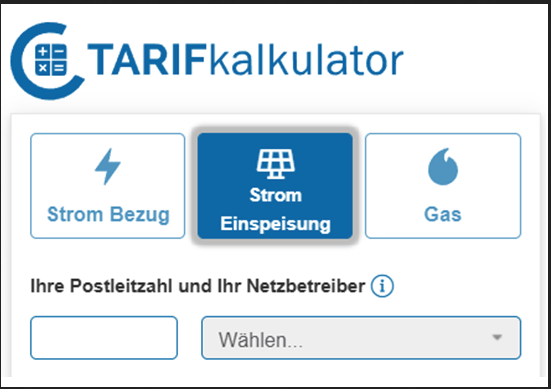
Für Betriebe mit einem jährlichen Stromverbrauch bis 100.000 Kilowattstunden stellt die E-Control den Gewerbe-Tarifkalkulator zur Verfügung. Er vergleicht Stromangebote inklusive Energiepreis, Netzkosten, Steuern und Abgaben und zeigt unmittelbar mögliche Einsparungen auf.
Für den Vergleich werden lediglich die Postleitzahl sowie der Jahresverbrauch benötigt. Optional können weitere Angaben zum Lastprofil ergänzt werden, wodurch die Berechnung noch genauer wird. Der Wechsel des Energieversorgers ist in den meisten Fällen unkompliziert, da die Kündigung des bisherigen Lieferanten üblicherweise vom neuen Anbieter übernommen wird.
So funktioniert der Tarifwechsel
- Aktuellen Stromliefervertrag hinsichtlich Laufzeit und Kündigungsfrist prüfen.
- Jahresverbrauch und Zählpunktnummer bereithalten.
- Daten im Gewerbe-Tarifkalkulator der E-Control eingeben.
- Angebote inklusive möglicher Ersparnis vergleichen.
- Passenden Tarif auswählen und Lieferantenwechsel durchführen.
Praxisbeispiele zeigen das Einsparpotenzial
Die Bundessparte Gewerbe und Handwerk hat mehrere reale Gewerbebetriebe analysiert. Die Ergebnisse zeigen, dass ein Tarifwechsel je nach Verbrauch und Standort Einsparungen zwischen rund 13 und über 20 Prozent ermöglichen kann.
| Jahresverbrauch | Betrieb | Bundesland | Bisherige Stromkosten | Neue Stromkosten | Ersparnis |
|---|---|---|---|---|---|
| 7.161 kWh | Tischlerei | Wien | 2.361,49 € | 1.846,53 € | 21,8 % |
| 18.800 kWh | Glasverarbeitung | Wien | 5.370,90 € | 4.663,76 € | 13,2 % |
| 26.548 kWh | Kunststoffverarbeitung | OÖ | 6.765,47 € | 5.838,30 € | 13,7 % |
| 80.000 kWh | Fleischerei | Wien | 24.809,14 € | 19.741,40 € | 20,4 % |
Zwar stammt das im Tarifkalkulator angeführte Lebensmittelbeispiel aus einer Fleischerei, die Ergebnisse lassen sich jedoch auf viele energieintensive Backbetriebe übertragen. Entscheidend ist der Stromverbrauch, nicht die Branche. Wer regelmäßig Öfen, Kühltechnik und Produktionsanlagen betreibt, kann von ähnlichen Einsparpotenzialen profitieren.
Warum Bäckereien besonders profitieren können
Der Strombedarf verteilt sich in Bäckereien über den gesamten Tagesablauf. Bereits in den frühen Morgenstunden laufen Knetmaschinen, Gäranlagen und Kühltechnik. Während des Tages kommen Verkaufsstellen, Klimatisierung und weitere Produktionsschritte hinzu. Dadurch entstehen dauerhaft hohe Verbräuche, bei denen bereits wenige Cent Preisunterschied pro Kilowattstunde erhebliche Auswirkungen auf die Jahreskosten haben.
Ein regelmäßiger Tarifvergleich sollte deshalb Bestandteil des betrieblichen Kostenmanagements sein. Besonders nach dem Auslaufen von Preisbindungen oder Bonusaktionen lohnt sich eine neuerliche Marktanalyse.
KMU-Energiepreis-Check: Das passende Instrument für größere Backbetriebe
Während der Gewerbe-Tarifkalkulator für Betriebe mit einem Jahresverbrauch bis 100.000 Kilowattstunden ausgelegt ist, richtet sich der KMU-Energiepreis-Check der E-Control an Unternehmen mit höherem Energiebedarf. Dazu zählen viele mittelgroße und größere Bäckereien, Produktionsbetriebe sowie Unternehmen mit mehreren Filialen.
Bereits ab einem Jahresverbrauch von mehr als 100.000 Kilowattstunden Strom beziehungsweise mehr als 400.000 Kilowattstunden Gas ermöglicht der KMU-Energiepreis-Check einen Vergleich des eigenen Energiepreises mit den Preisen anderer Unternehmen ähnlicher Größe und vergleichbaren Verbrauchsverhaltens.
Vergleich auf Basis realer Verbrauchsdaten
Für die Auswertung werden Monatsabrechnungen oder der Jahresverbrauch, der vereinbarte Energiepreis in Cent pro Kilowattstunde, das Vertragsjahr sowie Branche und Gewerbeart benötigt. Daraus ordnet die E-Control den Betrieb einer entsprechenden Lastprofilgruppe zu und vergleicht ihn mit ähnlichen Unternehmen.
Die Ergebnisse stellen keine Preisempfehlung dar. Sie zeigen vielmehr, ob sich der eigene Strompreis im Bereich vergleichbarer Betriebe bewegt oder ob deutliche Einsparpotenziale bestehen. Da sich Produktionsabläufe und Lastprofile zwischen den Branchen unterscheiden, können einzelne Verträge erheblich von statistischen Durchschnittswerten abweichen.
Praxisbeispiel: Wiener Bäckerei mit 200.000 Kilowattstunden Jahresverbrauch
Als konkretes Beispiel analysiert das Factsheet eine Wiener Bäckerei mit einem jährlichen Stromverbrauch von 200.000 Kilowattstunden. Der Betrieb zahlte im betrachteten Zeitraum einen Energiepreis von 9,75 Cent beziehungsweise 97,5 Euro pro Megawattstunde.
Im Vergleich mit den österreichischen Durchschnittswerten lag dieser Preis um 27,7 Prozent unter dem nationalen Durchschnitt für Betriebe dieser Verbrauchsklasse. Gleichzeitig lag der vereinbarte Energiepreis auch unter dem Durchschnitt der EU-27.
| Betrieb | Jahresverbrauch | Energiepreis | Vergleich Österreich | Vergleich EU-27 |
|---|---|---|---|---|
| Bäckerei Wien | 200.000 kWh | 97,5 €/MWh | 27,7 % unter Österreich | unter EU-27 |
Das Beispiel zeigt eindrucksvoll, dass gut verhandelte Lieferverträge erhebliche Kostenvorteile bringen können. Gerade bei energieintensiven Backbetrieben summieren sich Preisunterschiede von wenigen Cent pro Kilowattstunde rasch zu mehreren tausend Euro pro Jahr.
Lastprofil entscheidet mit
Backbetriebe weisen ein sehr spezielles Verbrauchsprofil auf. Bereits in den Nacht- und frühen Morgenstunden laufen Backöfen, Gäranlagen, Kühlräume, Tiefkühlhäuser, Knetmaschinen und Fördertechnik. Während des Tages kommen Filialen, Verkaufsstellen, Kühlvitrinen sowie Klimatisierung hinzu.
Dadurch unterscheidet sich das Lastprofil deutlich von vielen anderen Gewerbebetrieben. Der KMU-Energiepreis-Check berücksichtigt diese Unterschiede und ordnet Unternehmen vergleichbaren Verbrauchergruppen zu.
Österreich im europäischen Vergleich
Zusätzlich zum Vergleich einzelner Verträge wurden die österreichischen Strompreise den Durchschnittswerten anderer europäischer Länder gegenübergestellt. Grundlage sind Daten der europäischen Statistikbehörde Eurostat. Verglichen werden ausschließlich die reinen Energiepreise ohne Netzkosten, Steuern und Abgaben.
Österreich liegt über dem EU-Durchschnitt
In allen betrachteten Verbrauchsgruppen lagen die österreichischen Energiepreise im Jahr 2025 über dem Durchschnitt der EU-27.
| Jahresverbrauch | Betriebsgröße | Abweichung zu EU-27 | Bewertung |
|---|---|---|---|
| bis 20 MWh | Kleinbetriebe | +9,3 % | Österreich teurer |
| 20 bis 499 MWh | Mittelgroße Betriebe | +12,2 % | Österreich teurer |
| 500 bis 1.999 MWh | Großbetriebe | +14,4 % | Österreich teurer |
Für viele Bäckereien ist insbesondere die mittlere Verbrauchsgruppe relevant. Ein Jahresverbrauch von 200.000 Kilowattstunden entspricht 200 Megawattstunden und fällt damit genau in diese Kategorie.
Vergleich mit Deutschland
Auch gegenüber Deutschland lagen die österreichischen Energiepreise in allen Verbrauchsgruppen höher.
| Jahresverbrauch | Abweichung zu Deutschland |
|---|---|
| bis 20 MWh | +1,0 % |
| 20 bis 499 MWh | +8,4 % |
| 500 bis 1.999 MWh | +11,1 % |
Für österreichische Backbetriebe bedeutet dies, dass deutsche Wettbewerber bei den reinen Energiepreisen teilweise günstiger produzieren können.
Vergleich mit Italien
Anders fällt der Vergleich mit Italien aus. Hier lagen die österreichischen Energiepreise unter den italienischen Durchschnittswerten.
| Jahresverbrauch | Abweichung zu Italien |
|---|---|
| bis 20 MWh | -19,7 % |
| 20 bis 499 MWh | -8,3 % |
| 500 bis 1.999 MWh | -9,0 % |
Spanien als günstiges Vergleichsland
Die größten Unterschiede zeigen sich im Vergleich mit Spanien. Dort lagen die durchschnittlichen Energiepreise deutlich unter dem österreichischen Niveau.
| Jahresverbrauch | Abweichung zu Spanien |
|---|---|
| bis 20 MWh | +33,8 % |
| 20 bis 499 MWh | +42,1 % |
| 500 bis 1.999 MWh | +37,8 % |
Gerade in der für viele Bäckereien relevanten Verbrauchsklasse zwischen 20 und 499 Megawattstunden lagen die österreichischen Durchschnittspreise um mehr als 40 Prozent über den spanischen Vergleichswerten. Die Auswertung macht deutlich, dass sich ein regelmäßiger Preisvergleich und eine aktive Vertragsgestaltung für österreichische Backbetriebe wirtschaftlich auszahlen können.
Reale Vertragsdaten zeigen große Unterschiede
Neben den Durchschnittswerten der Eurostat-Datenbank analysiert das Factsheet auch konkrete Stromlieferverträge österreichischer Betriebe. Die Auswertung macht deutlich, dass tatsächliche Energiepreise je nach Vertragsmodell, Abschlusszeitpunkt und Tarif erheblich vom statistischen Durchschnitt abweichen können.
Gerade für Bäckereien und Konditoreien ist diese Erkenntnis von besonderer Bedeutung. Während Durchschnittswerte eine Orientierung bieten, entscheidet letztlich der individuell vereinbarte Stromliefervertrag über die tatsächlichen Energiekosten. Bereits wenige Cent Unterschied pro Kilowattstunde können sich bei Jahresverbräuchen von mehreren hunderttausend Kilowattstunden zu erheblichen Mehr- oder Minderkosten summieren.
Kleinere Betriebe mit weniger als 20 Megawattstunden
Für kleinere Gewerbebetriebe analysierte die Bundessparte Gewerbe und Handwerk den Stromvertrag einer Wiener Tischlerei mit einem Jahresverbrauch von rund 7.000 Kilowattstunden. Derselbe Betrieb wurde zu zwei unterschiedlichen Zeitpunkten des Jahres 2025 betrachtet.
| Betrieb | Zeitraum | Verbrauch | Energiepreis | Vergleich Österreich | Vergleich EU-27 |
|---|---|---|---|---|---|
| Tischlerei (1a) | 1.1.2025 bis 31.8.2025 | 7 MWh | 149,5 €/MWh | 5 % unter Österreich | knapp über EU-27 |
| Tischlerei (1b) | 1.9.2025 bis 16.10.2025 | 7 MWh | 140,1 €/MWh | 11 % unter Österreich | knapp unter EU-27 |
Bereits innerhalb weniger Monate sank der Energiepreis von 149,5 auf 140,1 Euro je Megawattstunde. Das Beispiel zeigt, wie stark sich Preisentwicklungen auch innerhalb eines laufenden Vertragsjahres verändern können.
Die für Bäckereien wichtigste Verbrauchsgruppe
Viele handwerkliche und mittelständische Bäckereien bewegen sich in der Verbrauchsgruppe zwischen 20 und 499 Megawattstunden pro Jahr. In diesem Bereich finden sich auch mehrere der im Factsheet ausgewerteten Praxisbeispiele.
| Betrieb | Zeitraum | Verbrauch | Energiepreis | Vergleich Österreich | Vergleich EU-27 |
|---|---|---|---|---|---|
| Tischlerei (2a) | 1.1.2025 bis 31.1.2025 | 24 MWh | 155,4 €/MWh | 15 % über Österreich | über EU-27 |
| Tischlerei (2b) | 1.5.2025 bis 31.5.2025 | 24 MWh | 78,9 €/MWh | 42 % unter Österreich | unter EU-27 |
| Bäckerei Wien | 24.10.2025 bis 31.12.2025 | 200 MWh | 97,5 €/MWh | 27,7 % unter Österreich | unter EU-27 |
| Kunststoffverarbeitung (1a) | 1.10.2024 bis 31.3.2025 | 26 MWh | 165,0 €/MWh | 22,3 % über Österreich | über EU-27 |
| Kunststoffverarbeitung (1b) | 1.4.2025 bis 30.4.2025 | 26 MWh | 124,2 €/MWh | 7,9 % unter Österreich | über EU-27 |
Das Wiener Bäckerei-Beispiel zeigt das Potenzial
Für das Bäcker- und Konditorenhandwerk ist insbesondere das Wiener Praxisbeispiel interessant. Mit einem Jahresverbrauch von 200.000 Kilowattstunden entspricht der Betrieb der Größenordnung vieler mittelständischer Backbetriebe mit eigener Produktion und mehreren Verkaufsstellen.
Der vereinbarte Energiepreis lag bei 97,5 Euro pro Megawattstunde und damit deutlich unter den österreichischen Durchschnittswerten dieser Verbrauchsklasse. Gegenüber dem nationalen Durchschnitt ergab sich ein Preisvorteil von 27,7 Prozent. Gleichzeitig lag der Vertrag auch unter dem Durchschnitt der EU-27.
Das Beispiel zeigt, dass sich professionelle Beschaffung und ein günstiger Vertragszeitpunkt unmittelbar auf die Wettbewerbsfähigkeit auswirken können.
Flexible Tarife können Preisvorteile bringen
Die ausgewerteten Beispiele zeigen außerdem, wie stark sich Energiepreise innerhalb weniger Monate verändern können. Besonders bei Flextarifen waren im Jahr 2025 deutliche Preisrückgänge zu beobachten.
Bei der analysierten Tischlerei sank der Energiepreis von 155,4 auf 78,9 Euro pro Megawattstunde. Auch bei der Kunststoffverarbeitung reduzierte sich der Preis von 165,0 auf 124,2 Euro pro Megawattstunde.
Solche Entwicklungen machen deutlich, dass nicht nur der Lieferant, sondern auch der Vertragszeitpunkt und das gewählte Tarifmodell erheblichen Einfluss auf die Energiekosten haben können.
Backbetriebe benötigen eine langfristige Beschaffungsstrategie
Backöfen, Kühlanlagen, Tiefkühlhäuser, Gärschränke und Klimatechnik verursachen einen konstant hohen Strombedarf. Gleichzeitig arbeiten viele Betriebe in mehreren Produktionsschichten oder versorgen ein Filialnetz. Dadurch entstehen Lastprofile, die sich deutlich von anderen Gewerbebetrieben unterscheiden.
Für Bäckereien und Konditoreien empfiehlt sich daher eine regelmäßige Überprüfung der bestehenden Lieferverträge. Neben dem Energiepreis sollten auch Vertragslaufzeiten, Preisbindungen, Wechselboni sowie mögliche Verlängerungsklauseln genau analysiert werden. Ein günstiger Vertrag kann die Produktionskosten über mehrere Jahre spürbar senken.
Die Datengrundlage des Factsheets
Für die Auswertung stellte die Bundessparte Gewerbe und Handwerk reale Betriebsdaten aus unterschiedlichen Branchen zur Verfügung. Sie bildeten die Grundlage für Tarifkalkulator, KMU-Energiepreis-Check und den Vergleich mit der Eurostat-Datenbank.
| Betriebsart | Bundesland | Jahresverbrauch | Strompreis laut Vertrag | Verwendung |
|---|---|---|---|---|
| Bäckerei | Wien | 189.000 kWh | 9,79 ct/kWh | KMU-Energiepreis-Check |
| Bäckerei | Wien | 200.000 kWh | 9,75 ct/kWh | KMU-Energiepreis-Check und Eurostat-Vergleich |
| Fleischerei | Wien | 80.000 kWh | nicht verfügbar | Tarifkalkulator |
| Oberflächenbehandlung | Wien | 530.000 kWh | nicht verfügbar | Vergleichsbetrieb |
| Glasverarbeitung | Wien | 5.000 kWh | nicht verfügbar | Vergleichsbetrieb |
| Glasverarbeitung | Wien | 18.800 kWh | nicht verfügbar | Tarifkalkulator |
| Kunststoffverarbeitung | OÖ | 26.548 kWh | 16,5 bis 12,4 ct/kWh | Eurostat-Vergleich |
| Tischlerei | NÖ | 24.000 kWh | 15,5 bis 7,9 ct/kWh | Tarifkalkulator und Eurostat-Vergleich |
| Tischlerei | Wien | 7.161 kWh | 14,9 bis 14,0 ct/kWh | Eurostat-Vergleich |
Entlastungsmaßnahmen sollen Betriebe 2026 unterstützen
Neben einem regelmäßigen Tarifvergleich beeinflussen auch staatliche Maßnahmen die Stromkosten von Unternehmen. Mehrere europäische Staaten haben ihre Betriebe durch niedrigere Stromsteuern, reduzierte Abgaben oder direkte Zuschüsse entlastet. Auch Österreich setzt 2026 auf mehrere Instrumente, um die Energiekosten für Unternehmen zu senken.
Das Factsheet der Bundessparte Gewerbe und Handwerk unterscheidet dabei zwischen direkten Förderungen und allgemeinen politischen Maßnahmen wie Steuererleichterungen oder Preisstützungen, die sich unmittelbar auf das Strompreisniveau auswirken.
Österreich reduziert die Elektrizitätsabgabe
Für österreichische Unternehmen gilt auch 2026 eine verringerte Elektrizitätsabgabe. Der reguläre Abgabensatz von 1,50 Cent pro Kilowattstunde wurde bis Ende 2026 um 45,3 Prozent auf 0,82 Cent pro Kilowattstunde gesenkt.
Damit werden auch Bäckereien und Konditoreien entlastet. Gleichzeitig zeigt der europäische Vergleich, dass Österreich weiterhin über dem EU-Mindeststeuersatz liegt.
| Elektrizitätsabgabe | Abgabensatz |
|---|---|
| Regulärer Satz | 1,50 ct/kWh |
| Reduzierter Satz bis Ende 2026 | 0,82 ct/kWh |
| EU-Mindeststeuersatz | 0,10 ct/kWh |
| EU-Mindeststeuersatz für betriebliche Nutzung | 0,05 ct/kWh |
Nach Berechnungen der Bundessparte Gewerbe und Handwerk würde ein Gewerbebetrieb mit einem Jahresverbrauch von 36.800 Kilowattstunden gegenüber dem regulären österreichischen Steuersatz rund 533 Euro zusätzlich einsparen, wenn lediglich der europäische Mindeststeuersatz für betriebliche Nutzung verrechnet würde.
Auch die EAG-Beiträge sinken
Zusätzlich werden Unternehmen 2026 durch niedrigere Förderbeiträge nach dem Erneuerbaren-Ausbau-Gesetz entlastet. Da für das Jahr 2026 ein geringerer Förderbedarf festgestellt wurde, reduzieren sich diese Kostenbestandteile deutlich.
Nach Berechnungen des Bundesministeriums für Wirtschaft, Energie und Tourismus spart beispielsweise ein Gewerbebetrieb mit einem Jahresverbrauch von 55.000 Kilowattstunden rund 152 Euro netto. Das entspricht einer Entlastung von rund 21 Prozent bei diesem Kostenbestandteil.
Auch Bäckereien und Konditoreien profitieren von dieser Maßnahme. Aufgrund des häufig höheren Stromverbrauchs können die absoluten Einsparungen entsprechend größer ausfallen.
Energiepreis-Krisenmechanismus soll automatisch greifen
Am 27. Mai 2026 beschloss der Ministerrat den sogenannten Energiepreis-Krisenmechanismus Strom. Ziel ist es, Haushalte und Unternehmen automatisch zu entlasten, wenn die Strompreise außergewöhnlich stark steigen.
Für Unternehmen ist ein einheitlicher Zuschuss pro verbrauchter Kilowattstunde vorgesehen. Dieser soll direkt über die Stromrechnung abgewickelt werden und damit ohne gesondertes Antragsverfahren funktionieren.
Der Mechanismus soll aktiviert werden, wenn mehrere Bedingungen gleichzeitig erfüllt sind.
| Voraussetzung | Grenzwert |
|---|---|
| Großhandelspreis | über 165 €/MWh für drei Monate |
| Endkundenpreis | über 16,5 ct/kWh netto |
| Kontrolle | monatliche Prüfung durch die E-Control |
Zum Zeitpunkt der Veröffentlichung des Factsheets waren die konkreten Details zur Höhe des Zuschusses noch offen. Die Bundessparte Gewerbe und Handwerk fordert deshalb eine rasche Klarstellung sowie eine automatische und möglichst unbürokratische Umsetzung.
Deutschland setzt auf dauerhaft niedrigere Stromsteuern
Deutschland verfolgt einen anderen Ansatz. Dort profitieren Betriebe des produzierenden Gewerbes ab einem Jahresverbrauch von 12.500 Kilowattstunden dauerhaft von einer reduzierten Stromsteuer.
Die reguläre Stromsteuer beträgt 2,05 Cent pro Kilowattstunde. Nach der Rückvergütung sinkt die tatsächliche Belastung für begünstigte Unternehmen auf lediglich 0,05 Cent pro Kilowattstunde und damit auf das europäische Mindestniveau.
Zusätzlich unterstützt der deutsche Staat 2026 die Netzbetreiber mit Bundesmitteln. Dadurch sollen die Netzkosten für Unternehmen je nach Verbrauch um etwa 16,1 bis 26,4 Prozent sinken.
Für exportorientierte Bäckereien oder Unternehmen im Wettbewerb mit deutschen Mitbewerbern verbessert dies die Kostenposition der deutschen Betriebe zusätzlich.
Italien gewährt direkte Preisabschläge
Seit Februar 2026 gelten in Italien neue Entlastungspakete für Unternehmen. Sie reduzieren den Strompreis unmittelbar.
| Jahr | Entlastung |
|---|---|
| 2026 | 3,4 €/MWh |
| 2027 | 4,0 €/MWh |
| 2028 | 0,54 €/MWh |
Damit setzt Italien auf direkte Preisnachlässe für Unternehmen und verbessert deren Wettbewerbsfähigkeit schrittweise über mehrere Jahre.
Spanien begrenzt die Stromsteuer
Auch Spanien reagierte auf die hohen Energiepreise mit steuerlichen Entlastungen. Bis zum 30. Juni 2026 wurde die Stromsteuer „Impuesto Especial sobre la Electricidad“ auf 0,5 Prozent begrenzt, sofern die Preisentwicklung dies zulässt.
Von dieser Maßnahme profitieren sowohl private Haushalte als auch Gewerbebetriebe.
Welche Bedeutung haben diese Maßnahmen für Bäckereien?
Für das österreichische Bäcker- und Konditorenhandwerk zeigen die internationalen Vergleiche zweierlei: Einerseits sorgen Steuererleichterungen und geringere Abgaben auch hierzulande für Entlastungen. Andererseits verfolgen andere EU-Staaten teilweise deutlich weitergehende Maßnahmen, etwa durch niedrigere Stromsteuern oder direkte Preisabschläge.
Gerade Backbetriebe mit energieintensiver Produktion sollten staatliche Entlastungen daher als Ergänzung verstehen, nicht als Ersatz für ein aktives Energiemanagement. Der größte Hebel bleibt häufig der eigene Stromliefervertrag. Regelmäßige Preisvergleiche, passende Tarifmodelle und eine rechtzeitige Vertragsverhandlung können die jährlichen Energiekosten oftmals stärker beeinflussen als einzelne Fördermaßnahmen.
Energiekosten bleiben ein Wettbewerbsfaktor
Backöfen, Kühlanlagen, Gärschränke und Filialnetze sorgen dafür, dass Stromkosten auch in den kommenden Jahren ein zentraler Kostenfaktor bleiben werden. Das Factsheet der Bundessparte Gewerbe und Handwerk zeigt, dass sich durch Tarifwechsel, Marktvergleiche und eine strategische Beschaffung vielfach erhebliche Einsparungen erzielen lassen.
Wer zusätzlich die verfügbaren Entlastungsmaßnahmen nutzt und bestehende Lieferverträge regelmäßig überprüft, kann seine Wettbewerbsfähigkeit nachhaltig stärken und steigenden Energiekosten besser begegnen.
Anhang: Verbrauchsklassen der Eurostat-Strompreisstatistik
Die europäischen Strompreisvergleiche basieren auf den Verbrauchsbändern der Statistikbehörde Eurostat. Dadurch werden Unternehmen mit ähnlichem Jahresverbrauch miteinander verglichen. Für das Bäcker- und Konditorenhandwerk sind insbesondere die ersten drei Verbrauchsklassen relevant.
| Verbrauchsgruppe | Jährlicher Stromverbrauch | Typische Betriebe |
|---|---|---|
| IA | unter 20 MWh | Kleine Handwerksbetriebe |
| IB | 20 bis unter 500 MWh | Kleine und mittelgroße Bäckereien und Konditoreien |
| IC | 500 bis unter 2.000 MWh | Große Produktionsbetriebe |
| ID | 2.000 bis unter 20.000 MWh | Industriebetriebe |
| IE | 20.000 bis unter 70.000 MWh | Großindustrie |
| IF | 70.000 bis unter 150.000 MWh | Großindustrie |
| IG | 150.000 MWh und mehr | Sehr große Industrieunternehmen |
Was Eurostat unter dem Strompreis versteht
Die im Factsheet verwendeten Eurostat-Daten beziehen sich ausschließlich auf die Komponente „Energy and Supply“. Diese umfasst unter anderem die Kosten für Stromerzeugung, Energiebeschaffung, Ausgleichsenergie, Lieferung sowie Kundenservice.
Nicht enthalten sind Netzentgelte, Messkosten, Mehrwertsteuer sowie nationale Steuern, Abgaben und Förderbeiträge. Die tatsächliche Stromrechnung eines Unternehmens fällt daher höher aus als die hier dargestellten Energiepreise.
Warum Durchschnittswerte nur eine Orientierung bieten
Eurostat veröffentlicht gewichtete nationale Durchschnittspreise. Diese entstehen aus den tatsächlich bezahlten Rechnungspreisen zahlreicher Unternehmen eines Landes. Die einzelnen Stromlieferanten werden entsprechend ihrem Marktanteil gewichtet.
Für den einzelnen Betrieb bedeutet das: Der veröffentlichte Durchschnitt ist keine Preisempfehlung und auch kein Richtwert für einen konkreten Vertrag. Je nach Abschlusszeitpunkt, Tarifmodell, Vertragslaufzeit und Lastprofil können die tatsächlichen Preise deutlich vom Durchschnitt abweichen.
Diese Kostenbestandteile sind nicht enthalten
Die veröffentlichten Energiepreise berücksichtigen bewusst nur den eigentlichen Energiepreis. Folgende Bestandteile sind nicht enthalten:
- Netzentgelte für Übertragung und Verteilung
- Systemnutzungsentgelte
- Mess- und Zählerkosten
- Mehrwertsteuer
- Elektrizitätsabgabe
- Abgaben zur Förderung erneuerbarer Energien
- Umweltabgaben und CO₂-bezogene Steuern
- Weitere nationale Gebühren und Umlagen
Dadurch lassen sich die eigentlichen Energiekosten zwischen den Mitgliedstaaten besser vergleichen, unabhängig von den jeweiligen nationalen Abgabensystemen.
Welche Daten wurden ausgewertet?
Die Bundessparte Gewerbe und Handwerk kombinierte für das Factsheet mehrere Datenquellen. Dazu zählen reale Stromlieferverträge österreichischer Betriebe, Berechnungen des Gewerbe-Tarifkalkulators und des KMU-Energiepreis-Checks der E-Control sowie die europäischen Vergleichsdaten der Eurostat-Strompreisstatistik.
Durch diese Kombination wird sowohl die aktuelle Marktsituation in Österreich als auch die internationale Wettbewerbsposition heimischer Betriebe sichtbar.
Steigende Energiepreise bleiben auch 2026 ein zentrales Thema für Bäckereien und Konditoreien. Das Factsheet zeigt jedoch ebenso deutlich, dass sich die tatsächlichen Stromkosten aktiv beeinflussen lassen. Ein regelmäßiger Tarifvergleich, die Nutzung der Instrumente der E-Control und die Analyse des eigenen Stromliefervertrags können erhebliche Einsparungen ermöglichen.
Besonders Betriebe mit einem Jahresverbrauch von mehr als 100.000 Kilowattstunden sollten den KMU-Energiepreis-Check nutzen und ihren Energiepreis mit vergleichbaren Unternehmen abgleichen. Das Wiener Praxisbeispiel einer Bäckerei mit 200.000 Kilowattstunden Jahresverbrauch verdeutlicht, dass gut verhandelte Verträge deutlich unter den österreichischen Durchschnittswerten liegen können.
Hinzu kommen staatliche Entlastungsmaßnahmen wie die reduzierte Elektrizitätsabgabe, niedrigere EAG-Beiträge und der geplante Energiepreis-Krisenmechanismus. Sie können die Kosten zusätzlich senken, ersetzen jedoch nicht die regelmäßige Überprüfung des eigenen Stromvertrags.
Für viele Backbetriebe bleibt Energie damit nicht nur ein Kostenfaktor, sondern zunehmend auch ein Wettbewerbsfaktor. Wer seine Energiebeschaffung strategisch plant und Marktchancen nutzt, kann die Wirtschaftlichkeit des Betriebs nachhaltig verbessern.
Quelle: Factsheet „Stromkostenreduktion und Strompreisvergleiche in der EU – Beispiele aus dem Gewerbe und Handwerk zur Kostenreduktion bei Strom“, Bundessparte Gewerbe und Handwerk, erstellt vom Energieinstitut der Wirtschaft, Juli 2026.